Greenland banks operate within one of the most unique and remote financial systems in the world. Despite the island’s vast size, its banking sector remains small, stable, and closely linked to the Danish and Nordic economies.
Due to its limited population and geographic challenges, Greenland relies on a few key financial institutions. These banks provide essential services such as lending, deposits, and business financing, supporting both local communities and economic development.
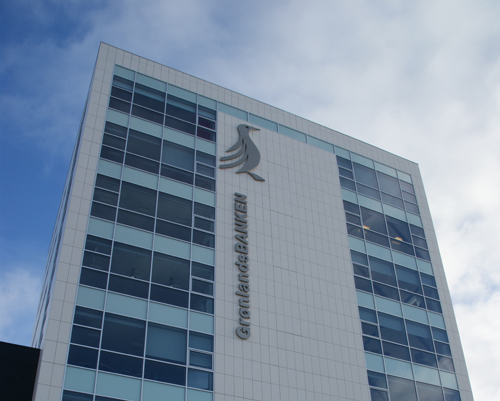
1. Bank of Greenland (GrønlandsBANKEN)
Bank of Greenland stands as the primary commercial institution among Greenland banks. It was strengthened after merging with Nuna Bank in 1997, consolidating the country’s banking sector.
The bank offers retail banking, corporate services, loans, and investment products. It plays a central role in financing local businesses, including fishing, tourism, and infrastructure.
Its strength lies in its dominant market position and deep local knowledge. It understands the economic realities of Greenland and supports sustainable development across the island.
2. BankNordik
BankNordik is a regional Nordic bank that operates in Greenland alongside its presence in the Faroe Islands and Denmark. It brings international expertise to Greenland banks.
The bank provides retail banking, corporate lending, and digital banking services. Its modern platforms allow customers to access financial services efficiently.
Its competitive advantage lies in its regional integration. It connects Greenland’s financial system to broader Nordic markets, enabling cross-border transactions and investment flows.
What Makes a Bank the Best
Several factors define the strength of Greenland banks. Financial stability remains critical due to the country’s small and concentrated economy. Banks must maintain strong balance sheets and effective risk management.
Digital accessibility also plays a key role. Given Greenland’s vast geography, remote banking services are essential. Banks that invest in online and mobile platforms improve access significantly.
Customer trust is equally important. In smaller communities, long-term relationships drive loyalty. Additionally, access to loans for businesses supports economic growth.
Analysis of the Banking Sector
The banking sector in Greenland is highly concentrated. One dominant commercial bank serves most of the market, supported by regional players.
Digital banking continues to expand, helping bridge geographic distances. At the same time, strong ties with Denmark ensure financial stability and regulatory alignment.
Economic activity remains closely linked to natural resources, particularly fishing. As a result, banks often focus on supporting these core industries.
Why This Matters
Greenland banks are essential for economic development. They provide funding for businesses, support communities, and enable financial inclusion across remote regions.
What Happens Next
The future of Greenland banks will depend on digital transformation and economic diversification. Institutions will likely invest more in technology to improve accessibility.
At the same time, growth in sectors such as tourism and mining may create new opportunities. Banks that adapt to these changes will play a key role in shaping Greenland’s financial future.
Conclusion
Greenland banks may be few, but they form a resilient and efficient financial system. Their strong local focus and Nordic connections ensure stability and long-term growth.
As the economy evolves, these institutions will remain central to supporting development while adapting to new opportunities and challenges.