The Uganda sovereignty bill has triggered a strong warning from the World Bank, raising concerns about its potential impact on funding and development projects. The proposed law, currently under parliamentary review, could significantly reshape how foreign-funded activities operate in the country.
Introduced by President Yoweri Museveni’s government, the bill aims to regulate individuals and organisations receiving funds from outside Uganda. However, critics argue that its broad provisions could disrupt economic support and limit policy discussions.
World Bank raises concerns over Uganda sovereignty bill
The Uganda sovereignty bill has drawn criticism from the World Bank, which fears it may affect billions in ongoing projects. In a letter to Parliament, the institution warned that the law could expose its routine activities to legal risks.
According to the Bank, the bill’s classification of international organisations as “foreign agents” would impose strict registration, reporting requirements, and possible penalties. This could complicate essential development work, including policy discussions and stakeholder meetings.
Key provisions shaping the Uganda sovereignty bill
The Uganda sovereignty bill requires anyone receiving foreign funding to register as a foreign agent and disclose all incoming funds. It also prohibits such individuals or organisations from interfering with government policy.
In addition, the legislation criminalises the promotion of alternative policy ideas without official approval. Critics argue that these measures could limit open debate and restrict civic engagement.
Financial risks linked to the Uganda sovereignty bill
The Uganda sovereignty bill could put at risk a major funding pipeline. The World Bank currently holds a project portfolio worth approximately $4.5 billion in Uganda.
Analysts warn that stricter regulations may discourage international partners and reduce the flow of funds into the country. This could affect key sectors that rely on external support, including infrastructure and social programs.
Opposition and stakeholder reactions
The Uganda sovereignty bill has faced resistance from opposition leaders, non-governmental organisations, and financial institutions. Many argue that the law could stifle legitimate funding channels and hinder economic growth.
Some stakeholders also fear that the bill may create uncertainty for businesses and development partners. As a result, Uganda’s investment climate could face additional pressure.
Government stance and broader context
The government maintains that the Uganda sovereignty bill is necessary to protect national interests. President Museveni has long expressed concern about foreign influence in domestic affairs.
This proposal follows previous tensions with international partners. Notably, the World Bank paused new lending in 2023 after Uganda enacted controversial legislation, before resuming support following policy adjustments.
Potential penalties under the Uganda sovereignty bill
The Uganda sovereignty bill outlines strict penalties for non-compliance. These include fines of up to 4 billion Ugandan shillings and prison sentences of up to 20 years.
Such measures have intensified debate, with critics arguing that they could discourage transparency rather than promote it.
What lies ahead
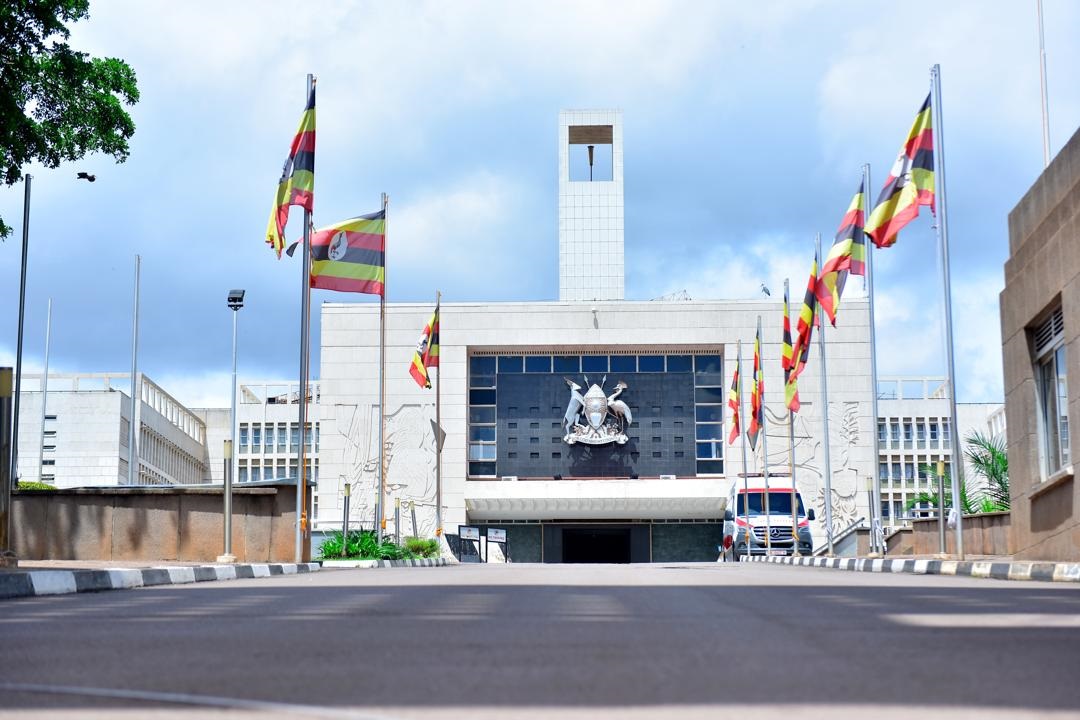
The Uganda sovereignty bill remains under review by a parliamentary committee. Its final outcome will likely shape the country’s relationship with international partners.
If passed in its current form, the law could redefine how foreign-funded initiatives operate in Uganda. As discussions continue, both government and stakeholders face growing pressure to balance sovereignty concerns with economic realities.