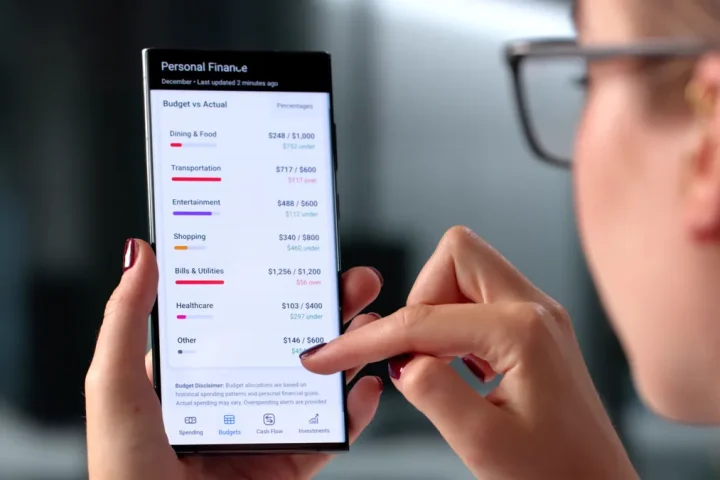
In recent years, digital payments have played a transformative role in expanding financial inclusion across Africa, allowing millions of people to participate in the formal economy. From mobile money transfers to digital wallets and online banking, these technologies are helping reduce barriers to financial services, especially for people who were previously excluded from traditional banks. In 2026, digital payments are central to economic activity in many African countries — not just for convenience, but as a means of economic empowerment, entrepreneurship, and community growth.
This article explores how digital payments support financial inclusion in Africa, why it matters, and what challenges still exist.
What Is Financial Inclusion?
Financial inclusion means that individuals and businesses have access to useful and affordable financial products and services delivered responsibly. These include payments, savings, credit, and insurance — services that help people manage money, invest in their futures, and respond to financial needs without unnecessary cost or hardship.
For many Africans, traditional banks have been out of reach due to location, cost, or documentation requirements. Digital payments—especially mobile‑based ones—are bridging that gap.
How Digital Payments Expand Access
One of the biggest impacts of digital payments in Africa has been increasing access to financial services in areas where banks have little presence.

1. Mobile Money Brings Financial Services to All
Mobile money services such as M‑Pesa (Kenya), MTN Mobile Money (West and Central Africa), and Airtel Money (across Africa) allow users to send and receive money using their phones — even basic feature phones.
With a mobile money account:
- People can make peer‑to‑peer transfers
- Pay utility bills or school fees
- Buy airtime
- Cash in/cash out at local agents
No bank account is needed, which has helped people in rural communities become part of the financial system for the first time.
2. Digital Wallets and Fintech Apps
In addition to mobile money, digital wallets and fintech apps (like Flutterwave, Paystack, and Chipper Cash) connect users, merchants, and online platforms in seamless transactions.
These tools often link to:
- Bank accounts
- Credit/debit cards
- Mobile money services
This means users can shop online, receive payments for services, and pay companies without cash — widening economic participation for small businesses and independent workers.
3. Supporting Small Businesses
Digital payments have helped small and micro‑enterprises grow by giving them tools to accept payments easily and securely. For example:
- Street vendors can use QR codes for payments.
- Market stalls can accept mobile wallet transfers.
- Artisans can receive payments online.
These tools help businesses reach customers they couldn’t before and keep better records of revenue — which is useful for accessing credit or scaling up.
4. Creating Savings and Credit Opportunities
Digital payment platforms often offer additional financial services that help users save or borrow responsibly.
Examples include:
- Automated savings tools, which set aside small amounts over time
- Microlending products, which evaluate credit risk using digital transaction behavior rather than traditional credit history
- Goals‑based savings accounts, encouraging users to save for specific needs
These features expand financial services beyond basic transactions, encouraging responsible money management and helping users build financial resilience.
5. Reducing Cost and Time for Transactions
Sending and receiving money digitally is often faster and cheaper than cash or traditional banking transfers. People no longer need to:
- Travel long distances to physical bank branches
- Queue for hours to make deposits or withdrawals
- Pay high fees for basic transfers
Quicker and lower‑cost transactions increase efficiency for families, businesses, and governments.
6. Supporting Government and Social Programs
Digital payments allow governments and nonprofits to deliver social support directly to citizens without cash intermediaries. This makes programs such as financial aid, pensions, or emergency funds more transparent and easier to manage.
Digital delivery helps reduce delays and corruption by:
- Depositing funds into mobile wallets
- Sending alerts to recipients
- Tracking payments electronically
Challenges That Remain
Despite important progress, Africa still faces challenges in fully harnessing the promise of digital payments for financial inclusion:
Connectivity and Infrastructure
Not all regions have reliable internet or mobile network coverage, especially rural or remote areas. Without stable connections, digital payment systems can’t function effectively, and users may be forced back into cash transactions.
Digital Literacy
Some users may struggle to use digital payment tools due to limited familiarity with technology. Training and education are essential to help people trust and use these systems correctly and safely.
Affordability
Transaction costs can still be high in some markets, particularly for smaller payments. Reducing fees and ensuring affordability is key for widespread adoption.
Data Privacy and Security
As digital payments grow, so does the risk of fraud and data breaches. Consumers need strong protections, clear regulations, and secure technology to build trust.
Regulatory Barriers
Different countries have varying financial regulations, which can make cross‑border payments difficult. Harmonization and supportive regulation are needed to help services scale across the continent.
What the Future Holds
Several trends are shaping the future of digital payments and inclusion in Africa:
- Interoperability: Systems that allow different mobile money and wallet providers to work together make payments easier across platforms.
- QR and Contactless Payments: Increasing adoption at retail points reduces reliance on cash.
- Biometric and Secure Authentication: Stronger security using fingerprints or face recognition can reduce fraud.
- Cross‑Border Digital Payments: Better frameworks for regional transactions support trade and remittances.
- Fintech Innovation: New startups continue to bring creative solutions that address local needs.
As these trends evolve, digital payments will become even more central to financial activity on the continent.
Conclusion
Digital payments have already reshaped Africa’s financial landscape by expanding access, increasing convenience, and supporting economic participation for millions. They are a powerful driver of financial inclusion — helping individuals and businesses join the formal economy, grow responsibly, and improve quality of life.
Although challenges remain, ongoing innovation and supportive policies promise a future where digital payments help narrow financial gaps and create more equitable opportunities for all.