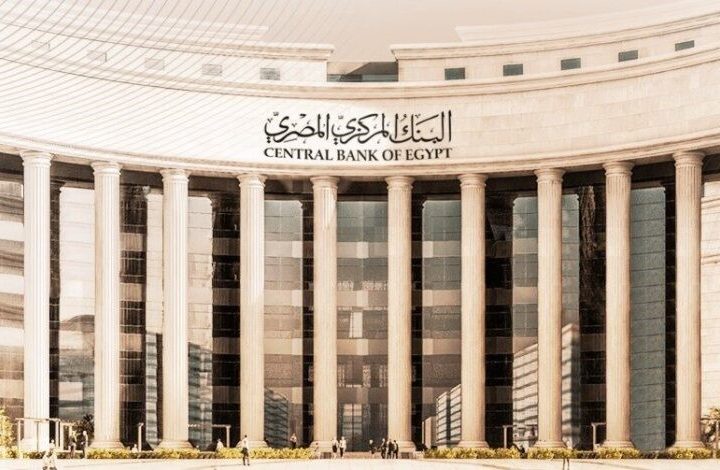
In a world marked by economic uncertainty and rapid financial change, safety and stability are key considerations for people choosing where to entrust their money. For customers, investors, and businesses across Africa, identifying the safest banks in Africa 2025 means evaluating not just size or brand, but risk management, capital strength, regulatory oversight, and long-term resilience.
This guide explores the leading financial institutions across the continent that stand out for their stability, strong credit ratings, prudent governance, and ability to navigate changing market conditions. We also explain why financial safety matters, how it’s measured, and what trends are shaping the future of banking in Africa.
What Makes a Bank “Safe”?
Before highlighting the safest banks, it’s important to understand what “safe” means in a banking context. Safety and stability typically reflect:
- Capital adequacy: Banks with strong capital buffers can absorb losses during downturns.
- Asset quality: A low ratio of non-performing loans (NPLs) indicates prudent lending.
- Liquidity management: Ready access to cash and liquid assets allows banks to meet obligations.
- Profitability and efficiency: Profitable banks generate reserves to sustain operations.
- Regulatory compliance: Strong governance and adherence to regulations reduce risk exposure.
Agencies such as Moody’s, Fitch, and S&P Global Ratings assess these lines of strength, producing ratings that help customers and investors judge bank safety.
Leading Safe Banks in Africa 2025
While opinions and rankings may vary, the following banks are widely recognised for their financial stability and strong performance in 2025.
1. Standard Bank Group (South Africa)
Standard Bank remains one of Africa’s largest and most financially secure banking groups.
- Why it’s considered safe: Strong capital ratios, diversified operations across multiple African markets, and robust risk controls.
- Strengths: A wide network, solid digital transformation strategy, and consistent profitability.
Standard Bank’s scale and wide footprint help distribute risk and maintain resilience even in volatile environments.
2. Absa Group Limited (South Africa)
A major financial services provider, Absa benefits from strong governance, clear strategic direction, and healthy financial metrics.
- Safety highlights: Adequate liquidity reserves, conservative lending practices, and diversified revenue streams.
- Market position: A leading retail and corporate banking presence both domestically and regionally.
Absa’s disciplined approach to risk has strengthened its standing among Africa’s safest banks.
3. FirstRand Bank (South Africa)
FirstRand—the parent of First National Bank (FNB)—is known for disciplined growth and strong financial health.
- Why it ranks high: Excellent asset quality and capital adequacy, backed by prudent management.
- Innovation: Strong digital channels and customer-centric products enhance stability.
FirstRand’s balance of profitability and low-risk exposure has earned consistent high ratings.
4. Nedbank Group (South Africa)
Nedbank delivers a stable mix of retail, commercial, and investment banking services.
- Safety metrics: Solid loan portfolios, robust capital ratios, and conservative risk appetite.
- Sustainability focus: Investments in sustainable financing and green initiatives bolster long-term stability.
Nedbank’s diversified business lines help mitigate sector-specific risks.
5. Ecobank Transnational Incorporated (ETI)
With presence in over 30 African countries, Ecobank is one of the continent’s most geographically diversified banks.
- Safety strengths: Broad regional exposure, diversified revenue, and strong local insights.
- Strategic edge: Ability to serve cross-border trade and pan-African commerce.
Ecobank’s broad reach helps balance risk across markets and economic cycles.
6. Zenith Bank (Nigeria)
As one of West Africa’s most respected banks, Zenith Bank has consistently shown financial strength.
- Why it’s safe: Strong liquidity, low non-performing loan ratios, and conservative capital management.
- Growth drivers: Expansion into international markets and digital banking.
Zenith’s disciplined growth supports stability even in fluctuating economic conditions.
7. Stanbic IBTC Bank (Nigeria)
Part of the Standard Bank Group, Stanbic IBTC has strong governance and robust financial performance.
- Safety highlights: Good capital buffers, well-managed risk portfolios, and stable earnings.
- Customer trust: Enhanced by digital services and strong corporate governance.
Stanbic IBTC’s affiliation with one of Africa’s largest banking groups reinforces confidence.
8. Mauritius Commercial Bank (MCB) Group
MCB is recognised for prudent management and regional expansion.
- Why it’s on the list: High capital adequacy and strong asset quality, with solid local and international operations.
- Reputation: A strong track record of conservative banking and customer service excellence.
MCB’s strategy emphasizes premium service with safety-first principles.
9. Equity Bank (Kenya)
Equity Bank has grown rapidly while managing risk well, making it one of East Africa’s most trusted banks.
- Key strengths: Good liquidity, diversified business lines, and strong retail penetration.
- Innovation: Expanded mobile banking and financial inclusion programs.
Equity’s adaptive strategy positions it for resilience amid market shifts.
10. Bank of Africa Group
Operating in multiple African countries, the Bank of Africa Group prioritises stability and regional experience.
- Safety factors: Balanced loan books, diversified operations, and disciplined risk policies.
- Mindset: Deep understanding of local markets underpins prudent lending.
For many customers, BoA’s regional focus offers a stable alternative to global megabanks.
Trends Shaping Bank Safety in 2025
Digital Adoption and Security
The accelerated adoption of digital banking has boosted convenience but also introduced cyber risk. Safe banks are those investing heavily in cybersecurity, fraud prevention, and customer authentication technologies.
Regulatory Harmonisation
Efforts to align financial regulations across African regions are improving oversight, reducing risk arbitrage, and supporting stronger institutional resilience.
Financial Inclusion
Expanding access to banking through mobile money and low-cost digital accounts increases stability by broadening the deposit base and reducing concentration risk.
Challenges Ahead
Even the safest banks face pressures:
- Economic volatility: Commodity price swings and inflation can strain asset quality.
- Cyber threats: Growing sophistication of cybercrime demands constant vigilance.
- Climate risk: Environmental and social factors are increasingly being factored into risk models.
Maintaining safety thus requires ongoing investment, adaptive strategies, and strong governance.
What Customers Should Look For
When choosing a safe bank in Africa, consider:
- Capital adequacy ratios and credit ratings
- Digital security and fraud protection measures
- Product diversification and revenue stability
- Transparency in governance and compliance
- Customer service quality
Safety is not just about size—it’s about how a bank manages risk and serves its customers responsibly.
Conclusion
The safest banks in Africa in 2025 combine strong financial fundamentals, disciplined risk management, and forward-looking strategies. Standard Bank Group, Absa, FirstRand, and others have demonstrated resilience, profitable operations, and customer trust—making them reliable choices in an evolving financial landscape.
As Africa’s banking sector continues to grow, safety and stability will remain key priorities for customers, regulators, and investors alike. By focusing on prudent governance, digital security, and inclusive growth, these institutions are shaping a more secure and dynamic financial future for the continent.