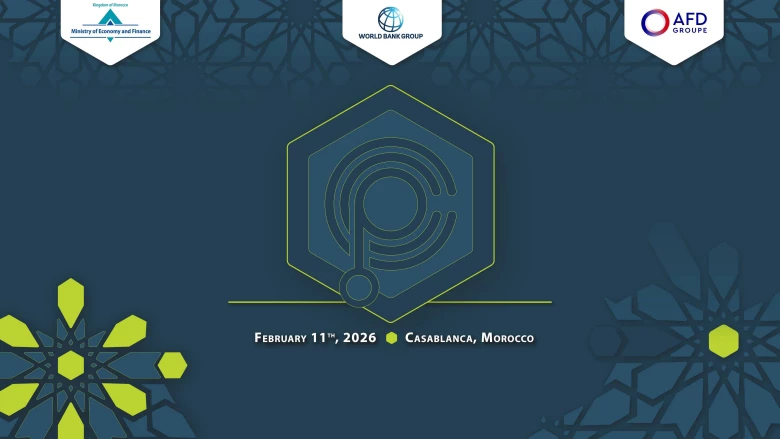
In response to shrinking resources and rising global development needs, the World Bank and Agence Française de Développement (AFD) are ramping up their co-financing efforts in Morocco. Their approach, aptly named “The Power of Co-financing,” aims to optimize resources, reduce aid fragmentation, and promote more ambitious projects. This partnership is a critical strategy in tackling Morocco’s infrastructure and development challenges, particularly in energy and urban mobility sectors, while encouraging private investment to fuel growth.
The Power of Co-financing in Action
Co-financing isn’t just about pooling funds; it’s about aligning goals, simplifying aid processes, and minimizing delays. Morocco has already benefited from this approach in landmark projects like the Noor solar complex, one of the largest solar energy projects globally. By jointly funding initiatives with the World Bank, AFD can support more transformative projects that directly impact Morocco’s economic and social development.
Addressing Aid Fragmentation
Aid fragmentation—where multiple donors work independently, each with different timelines and rules—often complicates project execution. Co-financing solves this by streamlining the process, allowing partners to share risks, align their efforts, and ensure projects move forward more efficiently. AFD’s CEO, Rémy Rioux, noted that this approach allows development agencies to “do more with less,” ensuring that projects are robust and better aligned with the country’s priorities.
Expanding Co-financing Beyond Morocco
The model of co-financing is increasingly critical as resources grow scarcer and crises continue to impact global development. While the model has already shown success in Morocco, it is now set to be scaled up. The focus will be on attracting more private investment to support these joint efforts, with the aim of extending the benefits beyond Morocco to other countries facing similar challenges.
Sustainable Development Through Collaboration
The AFD and World Bank’s collaboration signals a shift in development finance. As international aid faces greater pressure, working together rather than in isolation is becoming essential. Co-financing is not just a tool, but a necessary strategy for driving impactful and sustainable development. The goal is to leverage the combined resources and expertise of both organizations to address pressing global challenges, ensuring a more inclusive and sustainable future for all.