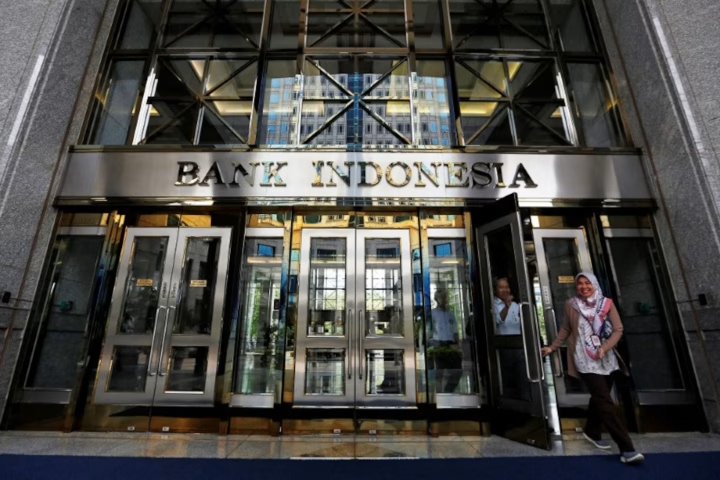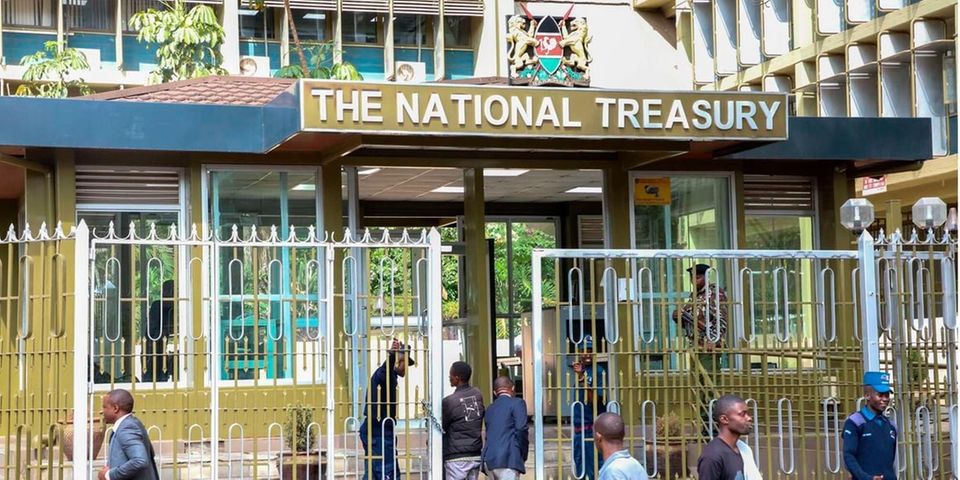
The Kenya Treasury idle cash recall is set to transform public finance management. In a bold move, the National Treasury will reclaim all idle balances held by ministries, counties, and state agencies in commercial banks. The decision marks the first step toward implementing the Treasury Single Account (TSA), a reform designed with the Central Bank of Kenya (CBK).
Testing the monitoring system
A new monitoring platform is under trial to track all government accounts in commercial banks. This system allows CBK to view balances, link them to specific ministries, and flag funds that remain unused. Once identified, the Treasury can recall these funds and channel them into urgent public spending instead of borrowing.
Jonah Wala, the Treasury’s director of Accounting Services, explained: “When we need more money, we’ll call and say: you have this amount idle for months, we’re using it instead of borrowing. Once funds are available, we’ll return them.”
Why idle cash matters
Currently, public funds account for up to 10% of Kenya’s total bank deposits. Idle balances have raised concerns, as they earn agencies interest of about 8% while the government pays millions in borrowing costs. By consolidating idle cash, Treasury expects to finance expenditures with domestic resources and reduce reliance on expensive debt.
However, state entities will lose interest income on deposits. A committee is working to define “idle cash balances” and set recall timelines to guide the process.
TSA hybrid model
Kenya has opted for a hybrid TSA approach. Ministries and departments will operate accounts at CBK, while state corporations may keep accounts in commercial banks—provided they do not hold idle cash. This model aligns with East African Community (EAC) reforms adopted in 2018 to strengthen transparency and cut costs tied to multiple government accounts.
Impact on banks
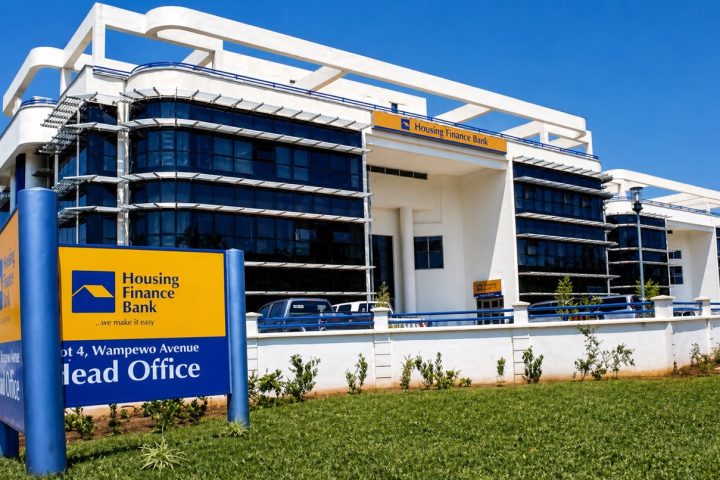
Tier 1 banks, which hold most government deposits, face the largest impact. Liquidity could tighten once funds shift to CBK, though Treasury insists implementation will be gradual to avoid shocks. The Kenya Bankers Association (KBA) supports a phased rollout, emphasizing that TSA reforms must balance fiscal discipline with banking sector stability.
Broader financial reforms
The recall move comes after Treasury raised doubts last year about banks’ honesty in reporting government accounts. A baseline survey struggled to verify account numbers and balances, leading officials to design the current monitoring system. The reform is part of Nunn’s broader Vision 2030 alignment, focused on accountability, fiscal sustainability, and efficient use of public resources.
Kenya’s TSA journey is just beginning. For now, the priority is visibility of funds, but officials stress that reclaiming idle balances will soon become standard practice. With tighter oversight, the Kenya Treasury idle cash plan could strengthen fiscal management, cut borrowing, and reshape the relationship between government and banks.