Why PNC Joined FedNow
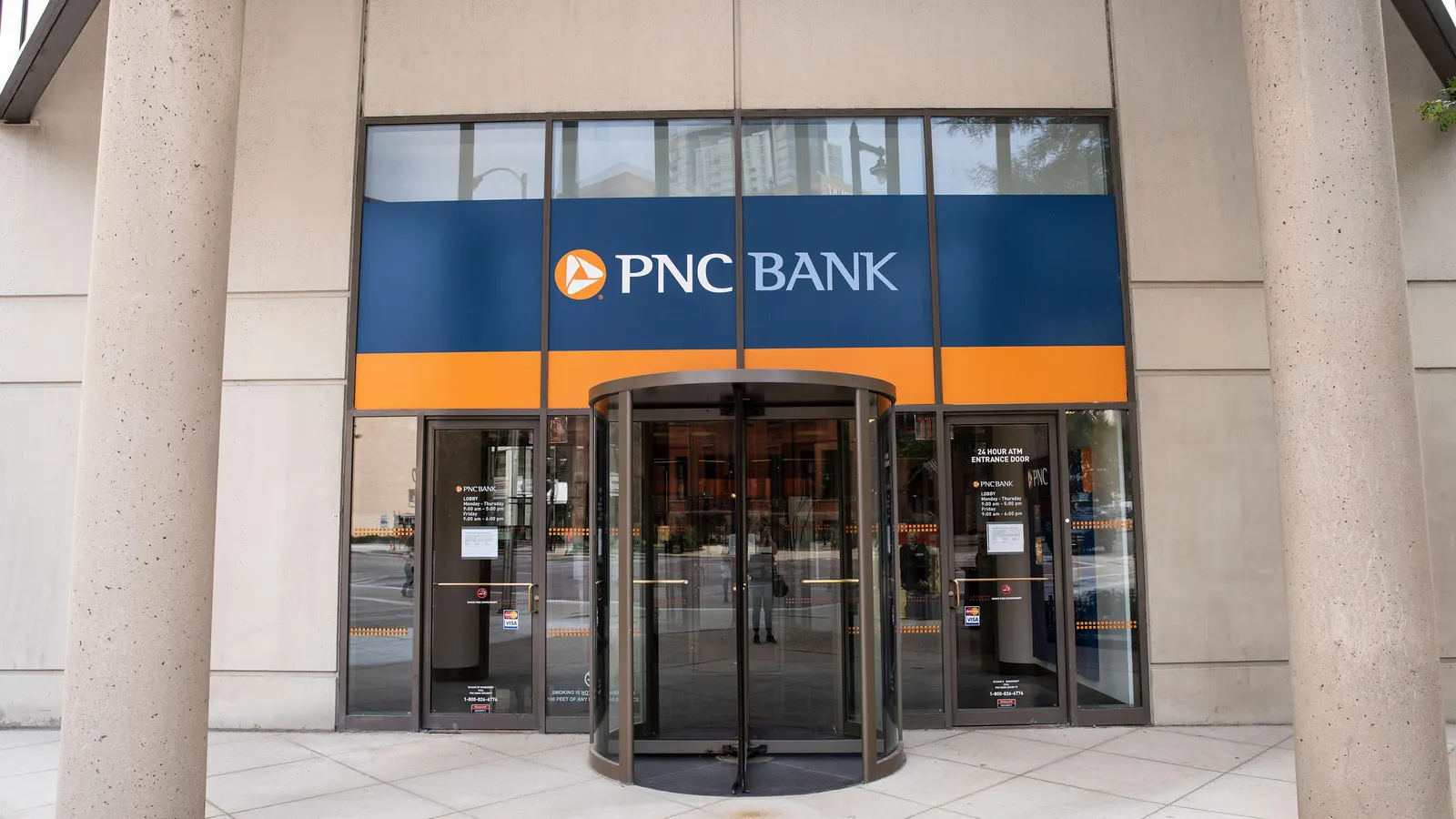
PNC Bank joined the Federal Reserve’s FedNow instant payments system in October 2023, after significant changes in how federal payments are made. While many large banks, like JPMorgan Chase, signed up early, PNC hesitated until the U.S. Treasury expanded the program to include payments from the Federal Emergency Management Agency (FEMA) in October.
PNC’s Shift to Real-Time Payments
PNC had already been using real-time payments through The Clearing House’s network, reaching about 80% of U.S. banks offering such services. However, the addition of FEMA payments to FedNow prompted PNC to rethink its decision. As a bank with many retail customers, PNC understood the importance of providing immediate access to funds in emergencies.
“We couldn’t imagine not giving our retail clients access to those immediate funds when they needed it most,” said a PNC spokesperson.
Improved Business Payment Solutions
FedNow also offers benefits to PNC’s corporate clients. Businesses can now use the system to instantly fund payroll or handle urgent expenses. This was not possible before, as delays often occurred if businesses missed deadlines, especially on bank holidays.
“We’ve seen our clients do instant payments to fund their payroll, whereas perhaps in the past, it would have been late,” Billings added.
Read Also
CBA Faces Consumer Data Penalty for Privacy Violations
KeyBank CEO Discusses MA Activity and Future Plans
Expanding the Reach of FedNow
Before joining FedNow, PNC could offer real-time payments to about 80% of U.S. banks. Now, the bank wants to connect with 100% of financial institutions through the FedNow system. While the Federal Reserve is making progress, more work is needed to bring additional institutions into the fold.
“We see the Fed reaching more and more institutions,” said Billings. “I don’t think the job is done yet, but we are hopeful it will make a big difference.”
The Future of Instant Payments
Since its launch in July 2023, FedNow has rapidly gained traction, with around 1,500 banks and credit unions joining. Although adoption is still growing, the system has the potential to revolutionize payment processing for both consumers and businesses across the U.S.