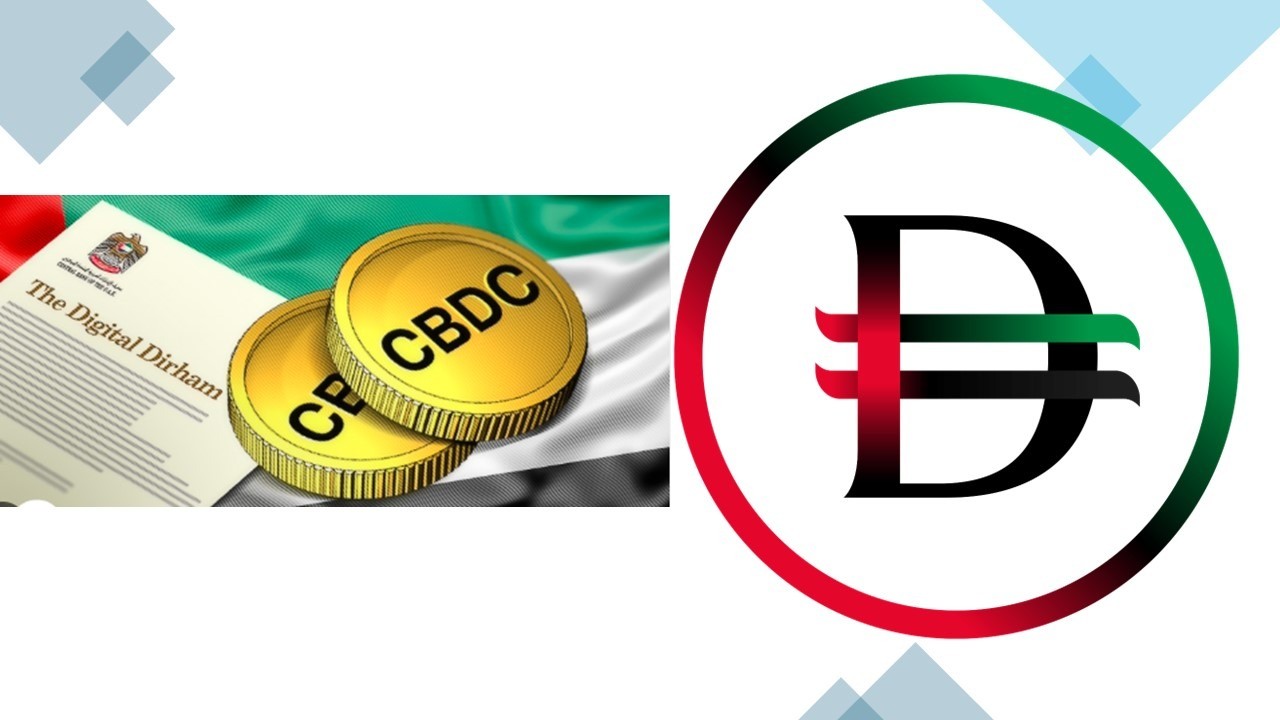
The Digital Dirham is the United Arab Emirates’ central bank digital currency (CBDC), launched as part of the country’s ambitious plan to modernize its financial infrastructure and support innovation in digital payments. Spearheaded by the Central Bank of the UAE (CBUAE), the initiative positions the UAE as a pioneer in the Middle East’s digital currency race.
Read: UAE to Launch Digital Dirham by 2026 for Faster Payments
Understanding the Digital Dirham
The Digital Dirham is not a cryptocurrency like Bitcoin or Ethereum. Instead, it is a state-backed, blockchain-based digital version of the physical Emirati Dirham (AED), issued and regulated by the UAE’s central bank. It carries the same value as cash and is fully backed by government reserves.
Key features include:
- Centralized issuance and control by CBUAE
- Use of distributed ledger technology (DLT) for secure transactions
- Interoperability with regional and international digital currencies
- Compliance with anti-money laundering (AML) and know-your-customer (KYC) rules
Why Did the UAE Launch the Digital Dirham?
The Digital Dirham is part of the UAE’s Financial Infrastructure Transformation (FIT) Programme, which aims to:
- Modernize financial services
- Enhance cross-border payment efficiency
- Reduce cash dependency
- Support financial inclusion and innovation
- Strengthen cybersecurity and data protection in digital transactions
The UAE is also collaborating with other nations through initiatives like mBridge, a multi-CBDC platform that facilitates real-time international settlements, particularly with countries like China, Thailand, and Hong Kong.
How Will the Digital Dirham Be Used?
The Digital Dirham is expected to be rolled out in three primary phases:
1. Wholesale CBDC
Used for interbank settlements, especially cross-border transfers between financial institutions. This enhances speed, security, and cost-effectiveness.
2. Retail CBDC
Designed for individual consumers and businesses, allowing people to:
- Make digital payments using smartphones or digital wallets
- Conduct government service transactions
- Pay utility bills, taxes, and fines securely
3. International Transactions
Through multi-lateral collaborations, the Digital Dirham will facilitate seamless cross-border payments, potentially replacing SWIFT and other traditional systems in some cases.
Benefits of the Digital Dirham
- Fast and low-cost transactions
- Reduced risk of fraud and counterfeiting
- Improved financial inclusion for the unbanked
- 24/7 access to digital funds
- Increased transparency and traceability of payments
- Boost to UAE’s vision of a cashless society
Is the Digital Dirham Secure?
Yes. The Central Bank ensures that the Digital Dirham operates on a secure, encrypted blockchain network. It is designed with robust cybersecurity protocols, including:
- Encrypted digital wallets
- Identity verification
- Transaction monitoring systems
- Multi-level authentication
Moreover, user privacy is preserved, but authorities can trace illegal transactions, enhancing trust and accountability.
More: What Is the Central Bank of Central Banks
Comparison: Digital Dirham vs. Cryptocurrencies
| Feature | Digital Dirham | Cryptocurrency (e.g., Bitcoin) |
|---|---|---|
| Issuer | Central Bank of UAE | Decentralized (no issuer) |
| Value Stability | Pegged to AED | Highly volatile |
| Legal Tender | Yes | No (in most countries) |
| Regulation | Fully regulated | Minimal or none |
| Privacy | Controlled anonymity | Varies (often pseudonymous) |
Challenges Ahead
- Public awareness and adoption
- Regulatory harmonization with other nations
- Technological infrastructure for rural areas
- Interoperability with other CBDCs and banking systems
The Digital Dirham marks a significant milestone in the UAE’s journey toward a digitally inclusive and innovative economy. As CBDCs gain global momentum, the UAE’s early investment in cutting-edge financial infrastructure ensures it remains a regional and global leader in digital finance.