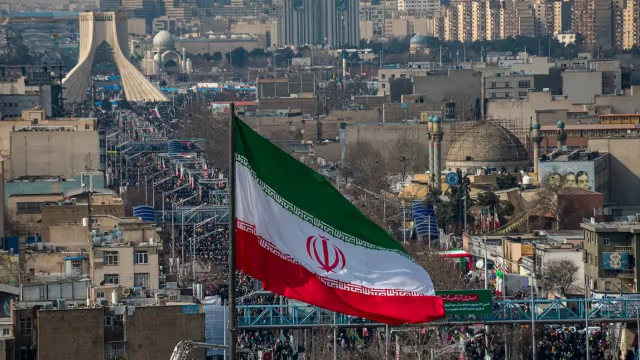
Iran is facing one of its most severe internal crises as it enters 2026, with a collapsing currency, surging inflation, and growing poverty fueling protests that have spread beyond Tehran into provincial towns and marginalized regions. What began as frustration over stagnant incomes and rising prices has evolved into a nationwide challenge rooted not only in economic survival but also in the legitimacy of the political regime. Iran’s Economic Crisis Deepens as Protests Spread Beyond Cities
Protests that initially erupted in Tehran have now reached provincial cities and poorer areas that have long struggled with high unemployment rates and weak government support. This broadening of the protests signals a deeper economic and political crisis that is shaking the foundations of the Islamic Republic.
Causes of the Economic Crisis in Iran
Several factors have contributed to Iran’s current economic turmoil. Lower oil revenues, the cumulative impact of US and European sanctions, and the aftermath of last year’s regional conflict have severely limited the government’s capacity for large-scale economic support. The most recent fuel price hikes have revived memories of the deadly 2019 protests, with many citizens once again taking to the streets in response.
A sharp deterioration in Iran’s macroeconomic conditions has been the immediate catalyst. In late December, the Iranian rial fell to a record low of 1.42 million to the US dollar on the open market, down from roughly 1.14 million just weeks earlier. This rapid devaluation has significantly eroded purchasing power, severely affecting the income of Iranians, whose wages were already well below subsistence levels.
Impact of Inflation and Rising Costs
Inflation reached a staggering 42% in December, with food prices soaring by over 70% year-on-year. The surge in health and medical costs has placed further strain on households, especially those without access to savings or credit. For many Iranians, particularly those living outside major cities, these figures translate into what economists call “effective hyperinflation” for essential goods, exacerbating the financial pressure on ordinary citizens.
The social impact of this economic turmoil is dire. Average monthly wages now hover around US$100, far below the estimated minimum income required to sustain a small household. Although the government has proposed a 20% increase in public sector pay, this adjustment falls far short of keeping pace with inflation, reinforcing perceptions that fiscal policies are worsening inequality rather than providing relief.
Protests Erupt Across Commercial Hubs
Protests first broke out in central Tehran, with shopkeepers and traders staging strikes in response to what they describe as “forced bankruptcy.” In major commercial areas such as the Grand Bazaar and electronic markets, merchants have closed their shops, arguing that selling goods at current prices results in inevitable losses and makes restocking impossible due to currency volatility.
These demonstrations are driven more by economic hardship, hunger, and joblessness than by political debates. The rising cost of basic necessities, coupled with the collapse of purchasing power, is pushing more Iranians to protest in an effort to survive.
Iran’s Leadership Faces Structural Dilemma
For Iran’s leadership, the challenge is structural. Raising wages risks further fueling inflation, while austerity measures only deepen public dissatisfaction. As protests spread from urban centers to the economic periphery, it is becoming increasingly difficult for the government to contain the unrest with security measures alone. The widening gap between the government and the people reflects a broader erosion of faith in the state’s ability to provide stability and opportunity for its citizens.