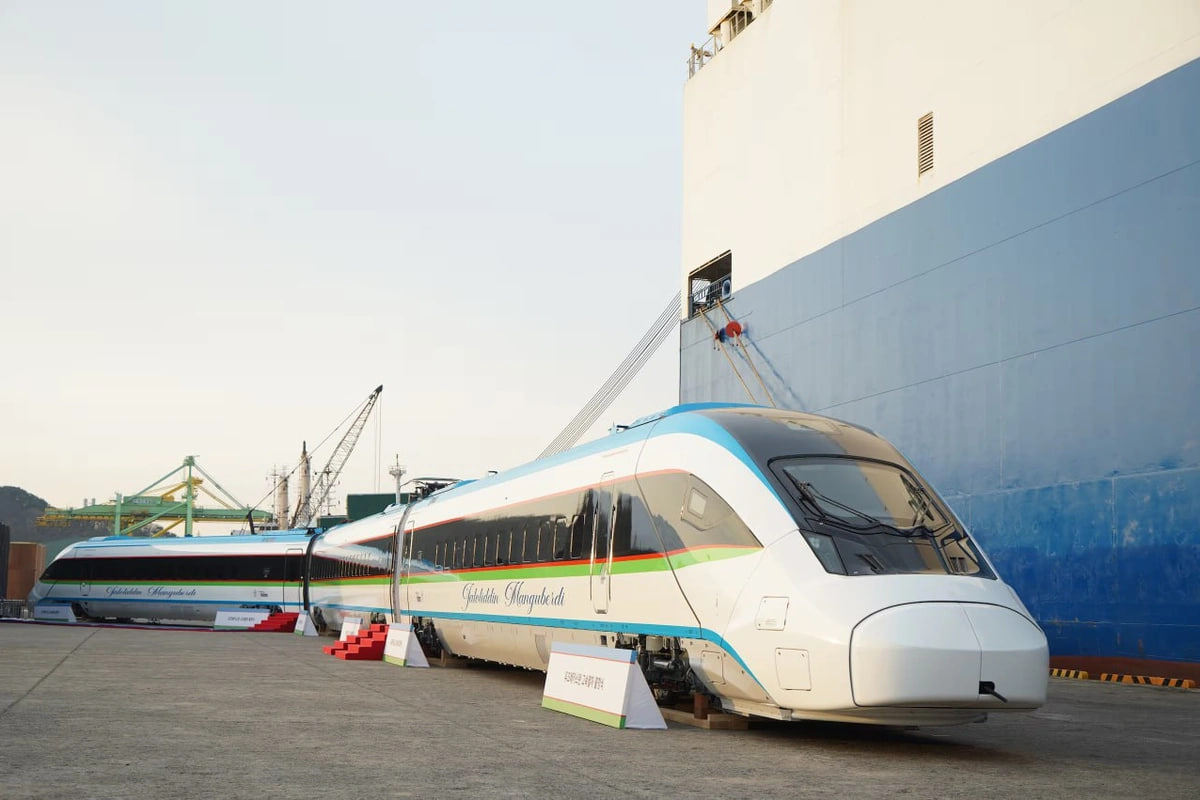
The Uzbekistan transport upgrade is set to transform the country’s infrastructure after securing a $200 million investment from the World Bank. The project focuses on modernizing roads and improving the overall transport system to support economic growth and rising demand.
As Uzbekistan’s economy expands, pressure on its transport network has increased significantly. This initiative aims to address those challenges while strengthening the country’s role as a regional transit hub.
Uzbekistan Transport Upgrade Targets Key Road Expansion
A major part of the Uzbekistan transport upgrade involves reconstructing a 91-kilometer stretch of the M41 regional corridor. The project will expand the road from two lanes to four, improving traffic flow and safety.
Upgrades will also include better bridges, drainage systems, and more accessible bus stops. These improvements are expected to benefit around 550,000 people living in the region while enhancing daily travel and logistics.
Uzbekistan Transport Upgrade Supports Economic Growth
Transport plays a critical role in Uzbekistan’s economy, contributing nearly 8 percent of GDP and employing about one million people. However, rapid growth in vehicle numbers has placed increasing strain on infrastructure.
The Uzbekistan transport upgrade addresses this challenge by preparing the country for future demand. Projections indicate that road capacity may need to increase fivefold by 2030 to handle rising freight volumes.
By improving connectivity, the project is expected to boost trade, support tourism, and create new employment opportunities across the region.
Strategic Reforms Strengthen the Transport Sector
Beyond physical infrastructure, the Uzbekistan transport upgrade includes reforms aimed at improving the sector’s efficiency and resilience.
The Ministry of Transport will develop a National Multimodal Transport Strategy to enhance coordination across different transport systems. This plan will also promote environmentally friendly solutions and improve both passenger and freight services.
At the same time, Uzbekistan Railways will receive support to strengthen corporate governance, financial transparency, and operational efficiency. These reforms aim to attract private investment and modernize rail services.
Uzbekistan Transport Upgrade Enhances Regional Connectivity
The project is expected to improve Uzbekistan’s position as a key transit corridor in Central Asia. By upgrading infrastructure and streamlining operations, the country can handle higher transit volumes and strengthen regional trade links.
Improved transport networks will also make it easier for businesses to move goods efficiently, reducing costs and increasing competitiveness.
What This Means for Development
The Uzbekistan transport upgrade reflects a broader trend of investment in infrastructure across emerging markets. Strong transport systems are essential for economic development, enabling trade, job creation, and access to services.
By combining infrastructure upgrades with policy reforms, the project aims to deliver long-term benefits that extend beyond immediate construction gains.
Final Take
The Uzbekistan transport upgrade marks a significant step toward modernizing the country’s infrastructure and supporting its economic ambitions. With World Bank backing, the initiative is positioned to improve mobility, boost trade, and create sustainable growth.
As implementation progresses, the success of this project could serve as a model for similar transport reforms across the region.