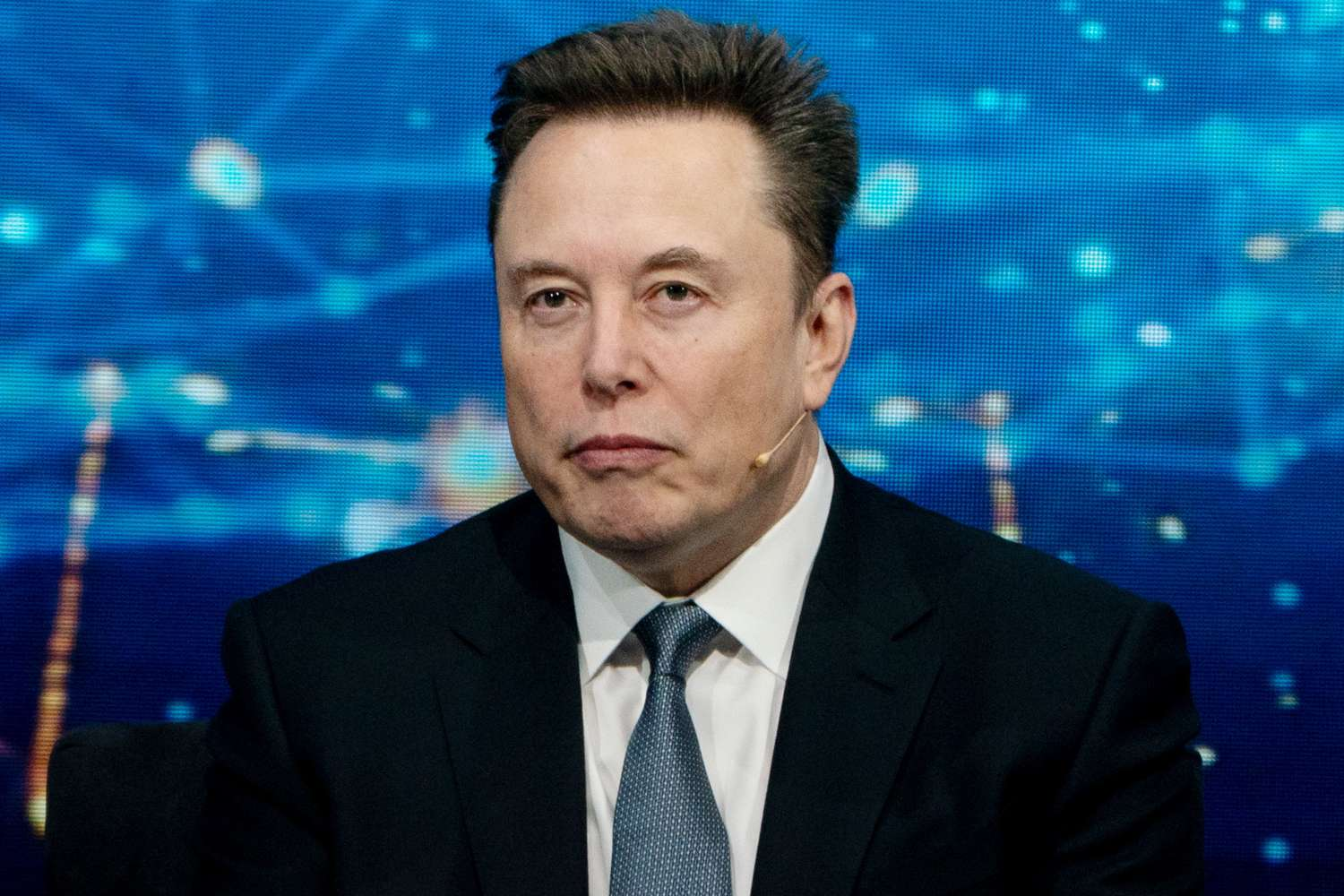
SpaceX listing history has been made after the rocket and satellite company’s record Nasdaq debut lifted Elon Musk’s estimated wealth above $1 trillion.
The company priced its shares at $135 and opened around $150, with trading demand pushing its valuation beyond $2 trillion. Reuters reported that SpaceX raised about $75 billion, making the offering the largest initial public offering on record.
Forbes declared Musk the world’s first trillionaire after the listing raised the market value of his SpaceX stake and pushed his estimated fortune to about $1.1 trillion.
The milestone is historic, but the bigger story is how investors are now valuing space technology. SpaceX is no longer being viewed only as a rocket company. It is being priced as a future infrastructure business built around launches, satellites, communications, government contracts and long-term space systems.
That makes the IPO a turning point for both Musk and the global market.
Quick Facts About the SpaceX Listing
| Category | Detail |
|---|---|
| Company | SpaceX |
| Founder | Elon Musk |
| Exchange | Nasdaq |
| IPO price | $135 per share |
| Opening price | Around $150 per share |
| Capital raised | About $75 billion |
| Valuation during debut | Above $2 trillion |
| Wealth milestone | Musk estimated above $1 trillion |
| Forbes status | World’s first trillionaire |
| Main growth themes | Rockets, Starlink, satellites and future infrastructure |
Why This Listing Stands Out
The SpaceX listing stands out because of its size, timing and symbolism.
Its size is obvious. A $75 billion IPO is far beyond the scale of normal public offerings. It gives SpaceX one of the most dramatic entries into public markets ever seen.
Its timing also matters. Investors have been cautious about some high-valuation listings in recent years, but SpaceX showed that appetite remains strong for companies with a powerful technology story.
Then there is the symbolism.
SpaceX was once a risky private venture trying to challenge old aerospace models. It has now entered public markets as a giant valued above $2 trillion.
That journey has turned Musk into the first publicly recognised trillionaire and made SpaceX a central test of how much investors are willing to pay for future industries.
How SpaceX Lifted Musk Above $1 Trillion
Musk’s wealth crossed $1 trillion because of how founder ownership works.
He owns a large stake in SpaceX. When the company was private, that stake was valued through private-market estimates. Once SpaceX began trading publicly, investors gave the company a live market price.
That price immediately changed the value of Musk’s holdings.
The result was a fortune above $1 trillion, based mostly on shares and stock options rather than cash.
This distinction is important.
Musk’s wealth can move quickly because it depends on market prices. If SpaceX or Tesla shares fall, his net worth could decline. If they rise, his fortune could grow further.
The trillionaire milestone is therefore historic, but it remains tied to market performance.
Why Investors Are Excited About SpaceX
Investors are excited about SpaceX because the company sits across several large future markets.
Its reusable rockets give it a strong position in launch services. Starlink gives it a global satellite internet business. Government contracts give it strategic importance. Future space infrastructure gives it a long-term growth narrative.
That combination is rare.
Most companies have one major business model. SpaceX has several linked businesses that support one another. It can build satellites, launch them, operate networks and sell services to consumers, companies and governments.
This makes SpaceX more than an aerospace company.
It is a technology infrastructure platform.
That is why public investors were willing to assign it such a high valuation.
Starlink Is the Revenue Story Investors Are Watching
Starlink is one of the most important parts of the SpaceX investment case.
Rockets make headlines, but satellite broadband can produce recurring revenue. That matters because public markets often reward businesses that can grow through regular customer payments.
Starlink can serve users in remote areas, ships, aircraft, businesses, homes and government operations.
The network also benefits from SpaceX’s launch advantage. Because SpaceX can launch its own satellites, it can expand faster and potentially control costs better than competitors that depend on outside launch providers.
If Starlink keeps expanding, it could become one of the world’s most important internet infrastructure networks.
That possibility is built into SpaceX’s valuation.
Why the Valuation Creates Pressure
A valuation above $2 trillion gives SpaceX prestige, but it also creates a heavy burden.
Investors will now expect strong growth, clearer financial results and evidence that the company can turn ambition into durable earnings.
SpaceX faces several challenges.
Rockets are expensive. Satellites require continuous investment. Starlink must grow while managing network costs. Space projects can face delays, technical failures and regulatory pressure.
There is also competition.
Other companies and governments are investing in launch systems, satellite networks and space infrastructure. SpaceX is ahead in many areas, but leadership does not guarantee permanent dominance.
The company’s public-market success will depend on execution after the IPO excitement fades.
The Musk Leadership Question
Musk’s leadership is central to the story.
Supporters argue that he has repeatedly built companies in industries others considered too difficult. Tesla changed electric vehicles. SpaceX changed rocket launches. Starlink changed satellite broadband.
Critics argue that Musk’s influence creates risk because so much depends on one person.
He is involved in Tesla, SpaceX, X, xAI, Neuralink and other ventures. Public investors may worry about divided attention, governance and communication.
Now that SpaceX is public, Musk will face more scrutiny from shareholders and regulators.
The market has rewarded his vision. It will now judge his ability to deliver.
What This Means for Wall Street
The SpaceX listing could reshape Wall Street’s view of mega-IPOs.
Many large private technology companies have waited before going public, partly because private capital was available and public markets were unpredictable.
SpaceX may change that.
Its huge demand shows that public investors still want access to companies linked to future infrastructure. Artificial intelligence firms, robotics companies, defence technology groups, satellite businesses and advanced computing companies may study the listing closely.
If SpaceX performs well, it could encourage more giant listings.
If it struggles, investors may become more careful about extreme valuations.
Either way, the IPO has already become a benchmark.
What This Means for Global Wealth
Musk becoming the first trillionaire changes the way global wealth is discussed.
For decades, billionaire rankings dominated public attention. Now the world has entered a new category of personal fortune.
That brings admiration and concern.
Supporters see Musk’s wealth as a reward for building companies that pushed technology forward. Critics see it as evidence of extreme wealth concentration and private influence over strategic industries.
The debate will be especially strong because SpaceX is not just selling consumer products.
It operates in space access, satellite communications, internet infrastructure and government-related technology. These sectors affect national security, global connectivity and future economic power.
Musk’s fortune is therefore part of a much wider conversation.
Why SpaceX Is Now Bigger Than a Company Story
SpaceX’s public debut is bigger than a single company story because it reflects a shift in the economy.
Markets are rewarding companies that appear positioned to control future infrastructure.
In previous eras, the largest fortunes came from oil, banking, steel, railroads, retail and real estate. Today, the biggest valuations increasingly come from technology platforms, networks, artificial intelligence, satellites and advanced systems.
SpaceX fits that new model.
Its value is based on what it does now and what investors believe it may control in the future.
That future includes communications, launch systems, data networks, defence infrastructure and possibly new space-based industries.
What Investors Should Watch Next
Investors should look beyond the first-day excitement.
The key questions now are practical.
Can Starlink keep growing? Can SpaceX maintain launch leadership? Can the company improve profitability? Can it manage capital spending? Can it balance public-market demands with long-term space ambitions?
Investors should also watch governance.
As a public company, SpaceX will face new expectations for transparency, reporting and accountability.
A record IPO creates excitement. Long-term performance requires execution.
That will be the real test.
Key Takeaways
- SpaceX’s Nasdaq listing pushed Elon Musk’s estimated wealth above $1 trillion.
- Forbes declared Musk the world’s first trillionaire after the IPO.
- SpaceX priced shares at $135 and opened around $150.
- Reuters reported the company raised about $75 billion.
- SpaceX traded at a valuation above $2 trillion during its debut.
- Musk’s fortune is mostly paper wealth tied to shares and options.
- Starlink is central to SpaceX’s long-term investment case.
- SpaceX is being valued as a future infrastructure company, not only a rocket business.
- The listing may encourage other large technology companies to go public.
- The valuation creates major pressure for SpaceX to deliver growth.
- Musk’s trillionaire milestone raises debate about innovation, inequality and market power.
Frequently Asked Questions
Why did the SpaceX listing make Elon Musk a trillionaire?
The SpaceX listing gave the company a public market valuation above $2 trillion, lifting the estimated value of Musk’s ownership stake above the $1 trillion wealth threshold.
What was the SpaceX IPO price?
SpaceX priced its IPO at $135 per share.
What price did SpaceX open at?
SpaceX opened around $150 per share on the Nasdaq.
How much did SpaceX raise?
SpaceX raised about $75 billion, according to Reuters.
What is SpaceX worth after the listing?
SpaceX traded at a valuation above $2 trillion during its public debut.
Is Elon Musk’s fortune mostly cash?
No. Most of Elon Musk’s fortune is tied to shares, options and company stakes.
Can Musk lose trillionaire status?
Yes. Musk’s estimated net worth can fall below $1 trillion if SpaceX or Tesla shares decline sharply.
Why is Starlink important?
Starlink is important because it gives SpaceX a recurring satellite internet business with global growth potential.
Why is SpaceX valued so highly?
SpaceX is valued highly because investors see growth potential in reusable rockets, satellite internet, government contracts and future space infrastructure.
Why does this story matter?
It matters because it marks the first publicly recognised trillionaire, the largest IPO on record and a major shift in how markets value future technology infrastructure.
Conclusion
The SpaceX listing has changed financial history.
It pushed Elon Musk beyond $1 trillion, made him the first publicly recognised trillionaire and turned SpaceX into one of the most valuable companies in the world.
The listing shows that investors are willing to pay extraordinary prices for companies they believe can dominate future infrastructure. SpaceX’s mix of rockets, Starlink, satellites and long-term space ambitions has made it one of the clearest symbols of that shift.
But the milestone also brings pressure.
SpaceX must now prove that its valuation is justified. Musk must manage public-market scrutiny. Investors must decide whether the promise of the space economy can deliver the returns implied by the price.
The first trillionaire has arrived, and the market’s next question is whether SpaceX can keep rising after liftoff.