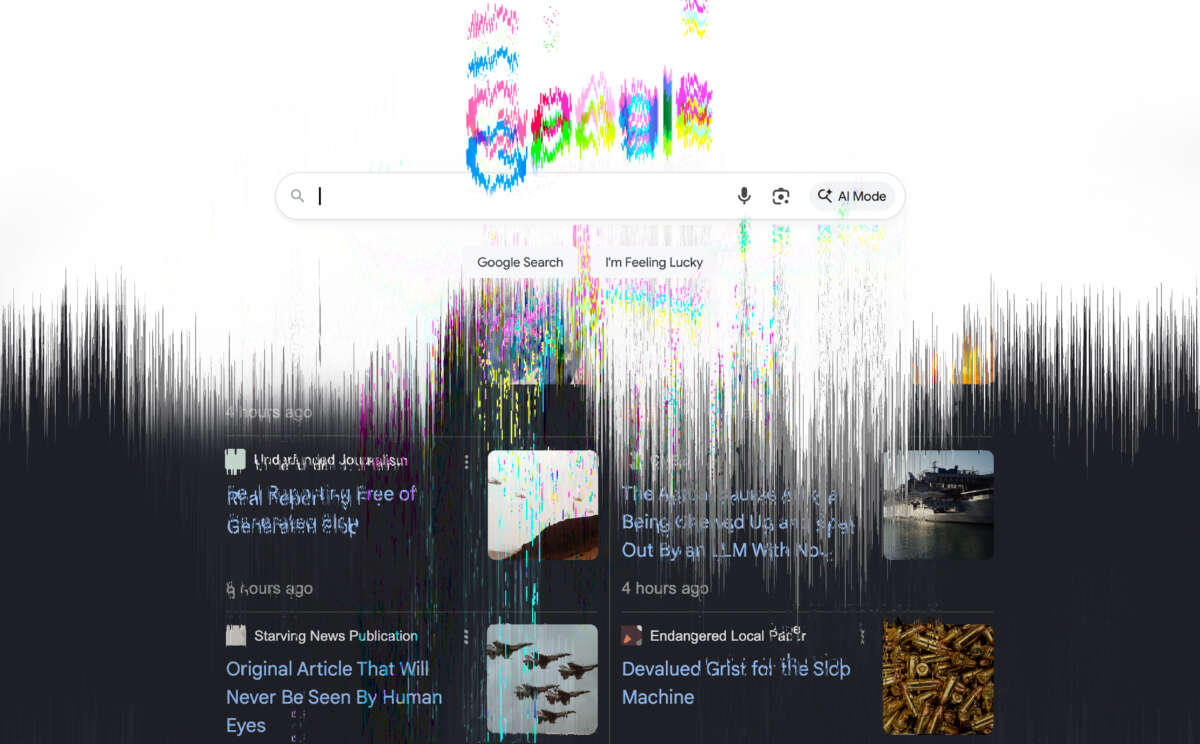
Google AI Search is reshaping how readers find information, raising new concerns that publishers could lose traffic, revenue and direct audience relationships.
The shift follows Google’s recent move to make artificial intelligence a more central part of search results. Instead of primarily presenting users with a list of links, Google is pushing more AI-generated summaries and AI Mode experiences that answer questions directly inside its own platform.
For news organizations, the change could become another major disruption in a media economy already weakened by social media algorithm changes, declining referral traffic and competition for digital advertising.
Independent publishers are especially exposed. Many rely on search traffic not only for readership, but also for donations, subscriptions and long-term audience growth. If fewer users click through to original reporting, the financial model that supports smaller newsrooms may come under even greater pressure.
Google AI Search Puts Publisher Traffic at Risk
Google remains one of the most important gateways to online news. For many readers, search is the starting point for finding breaking news, analysis, research and background information.
That makes any major change to search presentation highly consequential. When AI-generated answers appear above traditional links, users may get enough information from the summary and skip visiting the original source.
The concern is simple: publishers produce the reporting, but technology platforms may increasingly capture the audience attention around that work.
Google has already introduced AI Overviews and later expanded AI Mode, moving search toward a more conversational, answer-driven format. The company has described these tools as a way to help users find information faster. However, publishers worry the system could reduce the visibility of original articles and weaken the web traffic that sustains journalism.
That issue is not limited to one publication or political viewpoint. Newsrooms across the industry depend on referral traffic from search engines. A decline in clicks can affect ad revenue, reader donations, newsletter sign-ups and subscription conversions.
AI Summaries Change the Search Experience
The traditional search model gave users a page of links and allowed them to choose which source to open. The new model gives Google more power to decide what information appears first and which sources receive attribution.
That shift changes the relationship between platforms, publishers and readers.
If AI summaries become the default way people consume information, news organizations may have fewer chances to build trust directly with audiences. Readers may see a condensed answer without understanding where the reporting came from, who verified it or whether the source has a correction policy.
This is a major concern for journalism because accountability matters. Established newsrooms have editors, reporters, standards, corrections processes and legal responsibilities. AI systems can summarize information quickly, but they can also make errors, flatten context or blur differences between credible reporting and weaker sources.
The risk becomes more serious in high-stakes areas such as elections, war, public health, business regulation and criminal justice. In those cases, small errors can shape public understanding in damaging ways.
Independent Newsrooms Face a Revenue Squeeze
The pressure on publishers did not begin with AI.
Many newsrooms already suffered from earlier changes at social media platforms. Facebook’s 2018 shift away from publisher content sharply reduced referral traffic for some outlets that had built large audiences on the platform. Later changes at X, formerly Twitter, also disrupted how political and independent media reached readers.
The new search changes could be more damaging because Google Search remains a central traffic source for many publishers.
The uploaded source said Google Search accounts for 27% of Truthout’s readership. It also said visitors arriving through search tend to stay longer, engage more deeply and donate at higher rates than readers coming from social media.
That pattern explains why publishers are alarmed. Search users often arrive with intent. They are looking for a specific issue, article, topic or explanation. Losing those readers can hurt more than losing casual social media traffic.
For donor-supported outlets, even a moderate drop in search referrals can create budget strain. Smaller newsrooms may then face difficult choices, including staff cuts, fewer investigations, reduced publishing schedules or more aggressive fundraising.
AI Adoption Raises Accuracy Questions
Supporters of AI tools argue that automation can make information easier to access. Some publishers also see AI as a way to cut costs or speed up production.
But the journalism industry has already seen risks from poorly supervised AI content. Some outlets have faced criticism after publishing AI-generated material that included factual mistakes, invented details or weak sourcing.
Those failures matter because trust in media is already fragile. If readers encounter inaccurate AI-generated summaries, they may not know whether the error came from the platform, the underlying source or the AI system itself.
Chatbots and AI answer engines can also sound confident even when they are wrong. That creates a dangerous credibility problem. A polished answer can appear authoritative while still misrepresenting facts.
Human journalists remain important because they gather information, verify claims, challenge powerful institutions and correct the record when mistakes occur. AI can assist with research and production, but it cannot replace accountability.
What Publishers and Readers Can Do Next
The growth of AI-driven search means publishers may need to reduce dependence on platform traffic. That could require stronger newsletters, direct reader memberships, mobile apps, podcasts, events and partnerships that bring audiences back to owned channels.
Readers also have a role. Visiting news websites directly, bookmarking trusted outlets and signing up for newsletters can help publishers maintain a direct connection with their audiences. For independent outlets, small recurring donations can provide stability when platform traffic changes suddenly.
Foundations and major donors may also face new pressure to support journalism infrastructure. If search and social platforms continue to limit referral traffic, newsrooms will need funding to test new distribution models and protect reporting capacity.
Google’s search changes may make information feel faster and more convenient for users. But convenience comes with trade-offs. The next phase of the media economy will depend on whether publishers can preserve direct audience relationships while competing with AI systems that increasingly sit between readers and original reporting.
Read Also: Spanish Court Freezes Moroccan Consulate’s Accounts Amid Legal Dispute