Afghanistan banks operate in a challenging yet vital financial environment. These institutions support economic activity, enable transactions, and provide financial services in a country undergoing significant transformation.
The Afghan banking system includes a central bank, state-owned institutions, and private banks. Together, Afghanistan banks form the backbone of financial stability, supporting businesses, government operations, and individuals.
1. Da Afghanistan Bank
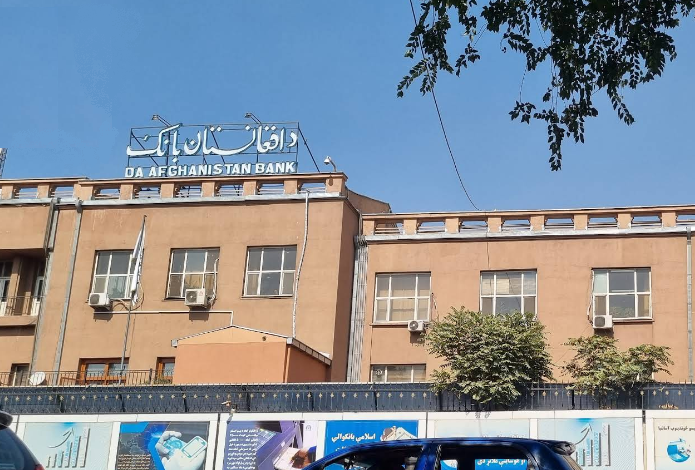
Da Afghanistan Bank serves as the central bank of Afghanistan. It regulates all Afghanistan banks and oversees monetary policy.
The bank manages currency issuance, financial stability, and supervision of financial institutions. It ensures compliance with national regulations.
Its importance lies in maintaining stability and guiding the country’s financial system.
2. Bank Millie Afghan
Bank Millie Afghan is one of the oldest Afghanistan banks. It operates as a state-owned institution.
The bank provides retail banking, corporate services, and government-related financial operations.
Its strength lies in its historical significance and nationwide presence.
3. Pashtany Bank
Pashtany Bank is a state-owned bank focused on development and public sector support.
The bank offers loans, deposits, and financial services for individuals and businesses.
Its advantage lies in supporting government-backed initiatives.
4. New Kabul Bank
New Kabul Bank emerged after restructuring the former Kabul Bank. It operates as a state-owned institution.
The bank provides retail banking, payroll services, and government transactions.
Its strength lies in handling public sector financial operations.
5. Islamic Bank of Afghanistan
Islamic Bank of Afghanistan focuses on Sharia-compliant banking services.
The bank offers Islamic finance products, including profit-sharing and non-interest loans.
Its advantage lies in meeting religious and ethical banking needs.
6. Afghanistan International Bank
Afghanistan International Bank is a leading private institution among Afghanistan banks.
The bank provides corporate banking, retail services, and international transactions.
Its strength lies in its strong governance and international partnerships.
7. Azizi Bank
Azizi Bank is one of the largest private banks in Afghanistan.
The bank offers retail banking, corporate services, and digital banking solutions.
Its advantage lies in its extensive branch network.
8. Maiwand Bank
Maiwand Bank focuses on modern banking services and innovation.
The bank provides loans, deposits, and digital banking solutions.
Its strength lies in its commitment to technological advancement.
9. Bank-e-Millie Afghan
Bank-e-Millie Afghan operates as a key local bank in Afghanistan.
The bank provides retail and corporate banking services.
Its relevance lies in its support for local economic activity.
10. First MicroFinance Bank-Afghanistan
First MicroFinance Bank-Afghanistan focuses on financial inclusion.
The bank offers microloans, savings products, and SME support.
Its strength lies in serving underserved communities.
11. Ghazanfar Bank
Ghazanfar Bank operates as a private financial institution.
The bank provides retail banking, corporate services, and trade finance.
Its advantage lies in supporting business growth.
12. Afghan United Bank
Afghan United Bank serves both individuals and businesses.
The bank offers loans, deposits, and financial advisory services.
Its strength lies in its customer-focused approach.
What Makes a Bank the Best
Several factors define the strength of Afghanistan banks. Financial stability remains critical in a developing economy. Banks must maintain strong governance and risk management.
Accessibility also plays a key role. Banks must reach both urban and rural populations.
Sharia-compliant services are important as well. Many customers prefer Islamic banking solutions.
Customer trust and transparency also determine long-term success.
Analysis of the Banking Sector
The Afghan banking sector remains relatively small but essential. It supports economic recovery and financial inclusion.
Private banks are expanding services, while state-owned institutions handle government transactions. Microfinance institutions play a key role in supporting small businesses.
Challenges remain, including economic instability and limited infrastructure. However, digital banking is beginning to improve access.
Why This Matters
Afghanistan banks support economic activity, financial inclusion, and development. Their services enable businesses and individuals to participate in the economy.
What Happens Next
The future of Afghanistan banks will depend on stability and reform. Institutions will likely expand digital banking and financial inclusion efforts.
At the same time, regulatory improvements will strengthen the sector. Banks that adapt to changing conditions will drive growth.
Conclusion
Afghanistan banks form a crucial part of the country’s economic system. Their role in supporting development and financial access remains vital.
As the sector evolves, these institutions will continue to adapt and support Afghanistan’s financial future.