Bosnia banks operate within a complex but well-regulated financial system shaped by both local governance and strong international participation. The sector supports economic recovery, trade, and investment across the country.
The banking system includes a central bank and licensed commercial banks supervised at entity level. These Bosnia banks provide retail banking, corporate finance, and cross-border financial services, reflecting the country’s integration with European markets.
1. Central Bank of Bosnia and Herzegovina
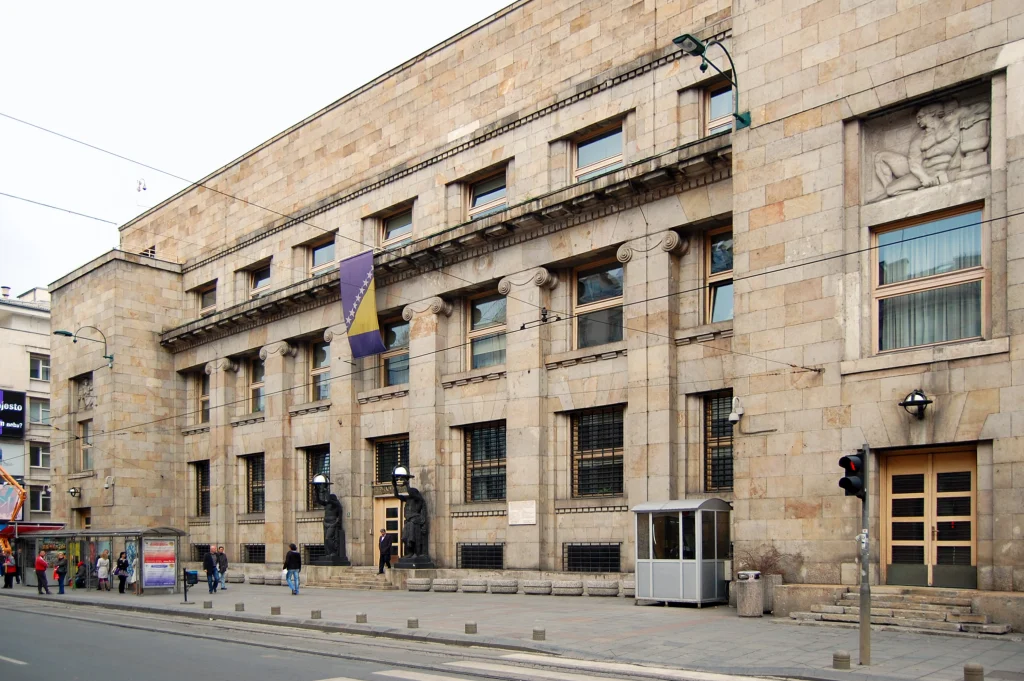
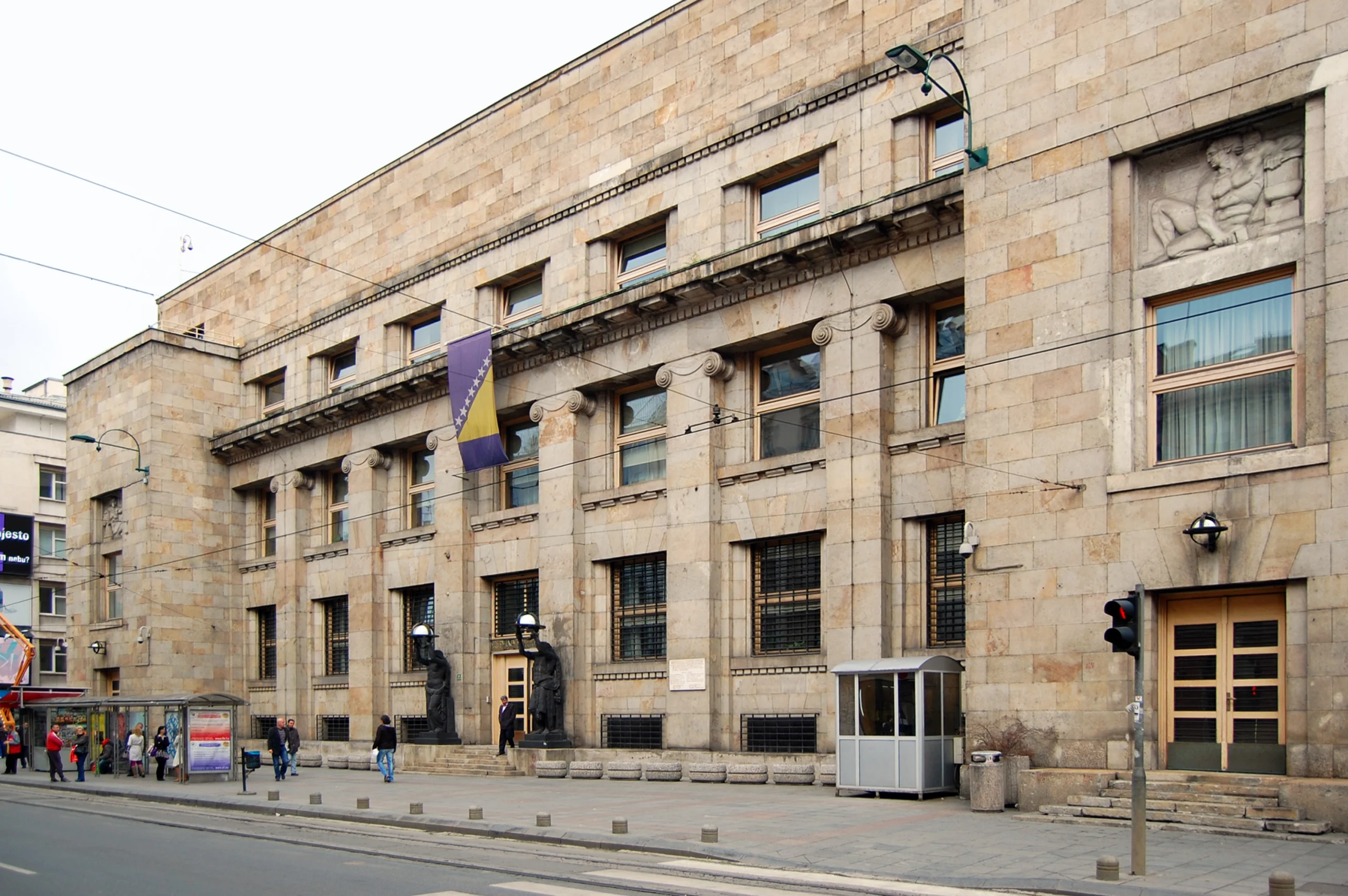
Central Bank of Bosnia and Herzegovina regulates all Bosnia banks and maintains monetary stability.
The bank oversees currency policy, financial supervision, and payment systems.
Its importance lies in maintaining economic stability and trust.
2. Raiffeisen Bank Bosnia and Herzegovina
Raiffeisen Bank is one of the leading Bosnia banks with Austrian backing.
The bank provides retail banking, corporate services, and investment solutions.
Its strength lies in its strong European network.
3. UniCredit Bank (Mostar)
UniCredit Bank Mostar operates as part of the UniCredit Group.
The bank offers retail banking, corporate finance, and digital services.
Its advantage lies in its international expertise.
4. UniCredit Bank (Banja Luka)
UniCredit Bank Banja Luka serves a broad customer base.
The bank provides loans, deposits, and financial advisory services.
Its strength lies in its integration within a global group.
5. NLB Bank Sarajevo
NLB Bank Sarajevo operates under Slovenia’s NLB Group.
The bank offers retail banking, corporate services, and digital banking.
Its advantage lies in its regional presence.
6. NLB Bank Banja Luka
NLB Bank Banja Luka complements the group’s operations.
The bank provides retail banking, loans, and SME financing.
Its strength lies in its strong local network.
7. Intesa Sanpaolo Bank BiH
Intesa Sanpaolo Bank operates as part of Italy’s banking group.
The bank offers retail banking, corporate services, and investment solutions.
Its advantage lies in its European backing.
8. Sparkasse Bank Bosnia and Herzegovina
Sparkasse Bank operates under Austrian ownership.
The bank provides retail banking, corporate services, and financial solutions.
Its strength lies in its focus on SMEs.
9. Addiko Bank Sarajevo
Addiko Bank Sarajevo focuses on consumer and SME banking.
The bank offers loans, deposits, and financial services.
Its advantage lies in its specialization.
10. Addiko Bank Banja Luka
Addiko Bank Banja Luka operates alongside its Sarajevo counterpart.
The bank provides retail banking and SME financing.
Its strength lies in its targeted services.
11. ASA Banka
ASA Banka is a domestic institution among Bosnia banks.
The bank offers retail banking, corporate services, and financial solutions.
Its advantage lies in its local ownership.
12. Nova Banka
Nova Banka is one of the largest domestically owned banks.
The bank provides retail banking, corporate services, and loans.
Its strength lies in its wide network.
13. ProCredit Bank BiH
ProCredit Bank focuses on SME financing.
The bank offers loans, deposits, and business services.
Its advantage lies in its development-oriented approach.
14. Bosna Bank International
Bosna Bank International operates under Islamic banking principles.
The bank provides Sharia-compliant financial services.
Its strength lies in its niche offering.
15. ZiraatBank Bosnia and Herzegovina
ZiraatBank operates as part of Turkey’s banking group.
The bank provides retail banking, corporate services, and trade finance.
Its advantage lies in its regional connections.
16. Union Banka
Union Banka is a government-linked institution.
The bank offers retail banking, loans, and financial services.
Its strength lies in its public sector support.
17. Privredna Banka Sarajevo
Privredna Banka Sarajevo serves businesses and individuals.
The bank provides loans, deposits, and corporate services.
Its advantage lies in its local expertise.
18. Naša Banka
Naša Banka is a smaller domestic institution.
The bank offers retail banking and financial services.
Its strength lies in its local focus.
19. MF Banka
MF Banka provides retail banking and SME financing.
The bank offers loans, deposits, and financial solutions.
Its advantage lies in its flexibility.
20. ATOS Bank
ATOS Bank operates in cooperation with other domestic banks.
The bank provides retail banking and corporate services.
Its strength lies in its partnerships.
21. Komercijalno-investiciona banka
Komercijalno-investiciona banka focuses on local financial services.
The bank offers loans, deposits, and business banking.
Its advantage lies in its regional focus.
22. Razvojna banka Federacije BiH
Razvojna banka supports economic development projects.
The bank provides loans and development financing.
Its strength lies in its role in public investment.
What Makes a Bank the Best
Several factors define the strength of Bosnia banks. Financial stability remains essential in a transitioning economy.
International backing also plays a key role. Many banks are subsidiaries of European groups.
Digital innovation is growing in importance. Customers expect modern and efficient services.
Customer trust and access to credit also influence performance.
Analysis of the Banking Sector
The Bosnia banking sector is highly internationalized. European banking groups dominate the market.
Domestic banks also play a key role in supporting local businesses. The sector remains stable due to strong regulation.
Digital banking is expanding steadily. Banks are investing in technology and improving services.
Why This Matters
Bosnia banks support economic growth, trade, and financial inclusion. Their services enable businesses and individuals to access capital.
What Happens Next
The future of Bosnia banks will focus on digital transformation and deeper European integration.
Banks will invest in fintech and expand services. At the same time, competition will increase.
Conclusion
Bosnia banks form a stable and internationally connected financial system. Their mix of local and global institutions ensures continued development.
As the sector evolves, these banks will remain central to Bosnia and Herzegovina’s economic future.