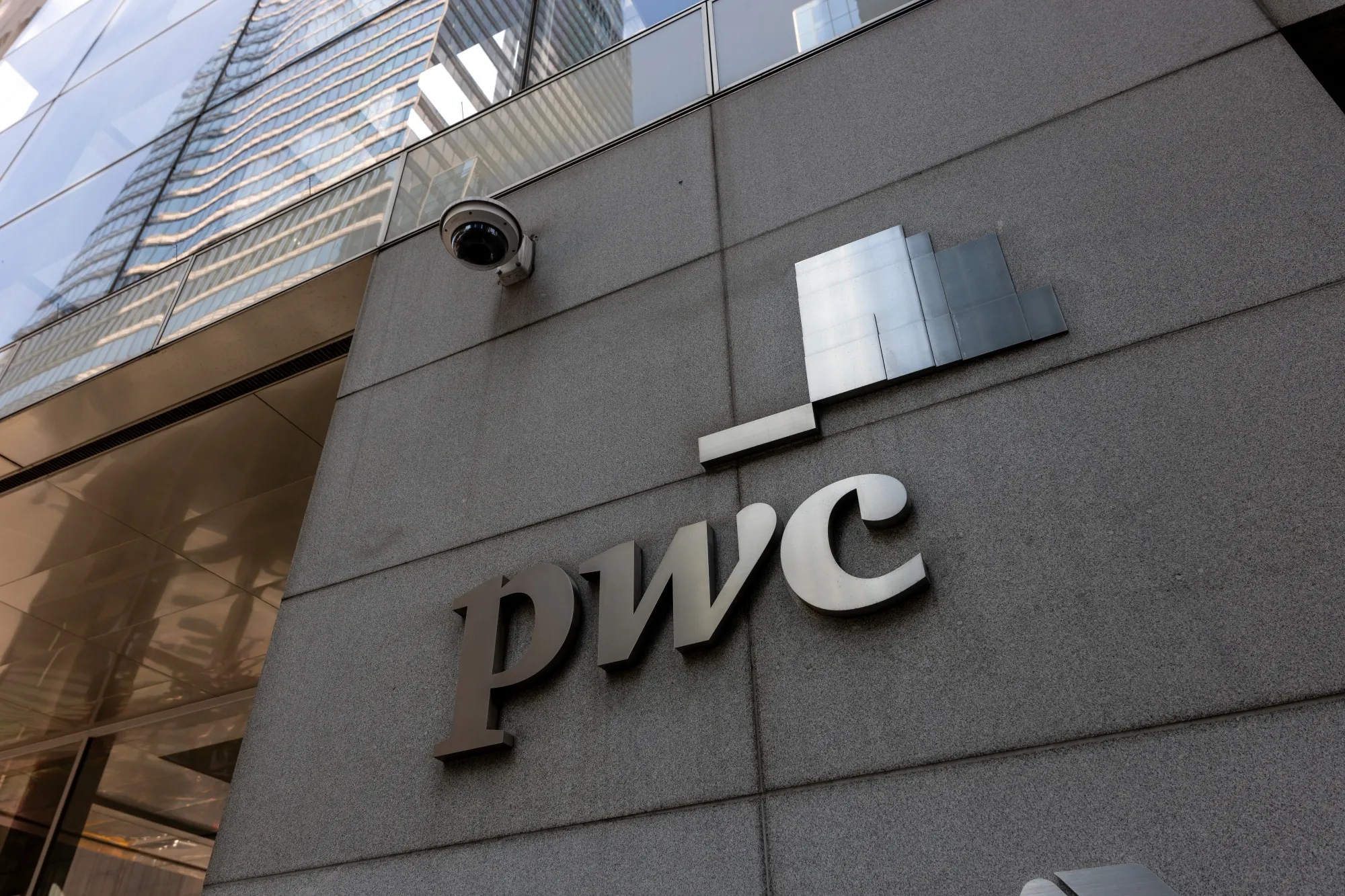
The PwC ban has sent shockwaves across East Africa’s business and consulting sector after global accounting giant PricewaterhouseCoopers was barred from key development projects. The decision follows findings that the firm improperly accessed confidential information tied to a major electricity project.
The sanctions, imposed by the World Bank and supported by its partners, highlight growing scrutiny over transparency and integrity in large-scale infrastructure deals.
PwC Ban Linked to Power Project Misconduct
At the center of the PwC ban is a Sh149.8 billion electricity project, where investigators found that the firm obtained sensitive bid-related information. This gave PwC an unfair advantage during the procurement process.
As a result, PwC Kenya, PwC Rwanda, and PwC Africa Associates based in Mauritius have been suspended from participating in World Bank-funded projects for 21 months.
The move underscores the seriousness of the breach, especially given the scale and importance of the project involved.
PwC Ban Raises Concerns in Consulting Sector
The PwC ban is significant because the firm is part of the “Big Four” global accounting networks. These firms typically play a key role in auditing, advisory services, and major infrastructure projects.
Such a high-profile suspension raises questions about governance standards within consulting firms operating in Africa. It also signals that international lenders are tightening oversight to prevent unfair practices.
Impact on World Bank and AfDB Projects
The PwC ban means the affected entities will be excluded from projects financed by the World Bank and its partners, including the African Development Bank.
This restriction could affect ongoing and future contracts, potentially opening opportunities for competing firms while disrupting existing partnerships.
For governments and project developers, the decision serves as a reminder of the strict compliance standards required when dealing with international funding institutions.
What This Means for East Africa
The PwC ban highlights a broader shift toward accountability in the region’s infrastructure sector. Large projects often involve billions of shillings, making them vulnerable to irregularities if oversight is weak.
By enforcing strict penalties, global lenders are sending a clear message that misconduct will not be tolerated. This could improve transparency and strengthen investor confidence over time.
Final Take
The PwC ban marks a major development in the governance of development-funded projects. It shows that even the largest global firms are not immune to sanctions when rules are violated.
As scrutiny increases, companies operating in Africa’s infrastructure space will need to adopt stricter compliance measures to remain competitive and trustworthy.