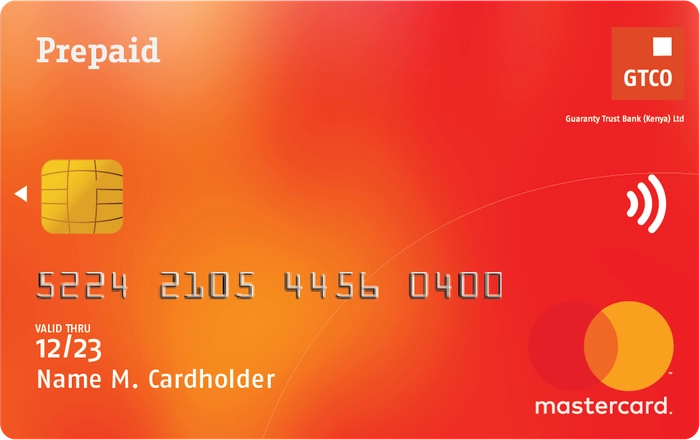
In today’s financial landscape, understanding credit card vs debit card is essential for making the best choices with your money. While both offer the convenience of cashless payments, they work in very different ways and can have a significant impact on your finances. In this guide, we’ll explore the key differences, advantages, and potential drawbacks of each option to help you make an informed decision.
What Is a Debit Card?
A debit card is linked directly to your checking account, meaning you can only spend the money available in your account. When you make a purchase with a debit card, the funds are immediately deducted, making it an excellent option for people who prefer not to spend beyond their means.
Key Features of a Debit Card
- Immediate access to your own funds
- No interest charges when used for purchases
- ATM withdrawals from your bank account
- Lower or no annual fees compared to credit cards
While a debit card helps you avoid debt, it usually doesn’t offer rewards, and it has fewer protections compared to a credit card.
What Is a Credit Card?
A credit card allows you to borrow money from a lender to make purchases or withdraw cash, up to a predetermined credit limit. You must repay the borrowed amount, either in full or over time. If you carry a balance, interest and fees can apply.
Key Features of a Credit Card
- Ability to borrow money within a credit limit
- Monthly repayment options
- Interest charged if the balance isn’t paid in full
- Rewards such as cashback, travel points, and perks
Credit cards can help you build credit and offer many benefits, but they also come with risks if not used responsibly, especially when it comes to interest and late fees.
Credit Card vs Debit Card: A Direct Comparison
Below is a straightforward comparison of credit card vs debit card:
Spending Source
- Debit: Uses your own money in your bank account
- Credit: Uses borrowed money from the credit card issuer
Interest Charges
- Debit: No interest since you’re spending your own funds
- Credit: Interest applies when you carry a balance from month to month
Rewards and Perks
- Debit: Limited or no rewards
- Credit: Often offers rewards, cashback, and purchase protection
Credit Score Impact
- Debit: Does not affect your credit score
- Credit: Helps build your credit history when used responsibly
Fees
- Debit: Can have ATM fees or overdraft charges
- Credit: Can have annual fees, late fees, and high interest rates
Choosing between credit card vs debit card depends on your financial needs and goals.
When to Use a Debit Card
A debit card is ideal for:
- Everyday purchases such as groceries or bills
- ATM withdrawals
- People who want to avoid spending beyond their means
Using a debit card helps you stick to a budget and avoid interest charges. However, debit cards typically don’t offer the same fraud protections or rewards as credit cards.
When to Use a Credit Card
A credit card is best for:
- Building or improving your credit score
- Earning rewards, cashback, or travel points
- Making large purchases with flexible repayment options
- Enjoying purchase protection, such as extended warranties and fraud coverage
By paying off your credit card balance in full each month, you can avoid paying interest while enjoying these benefits.
Fees and Financial Pitfalls to Watch
In a credit card vs debit card comparison, credit cards tend to have more fees to consider, including:
- Annual fees
- Late payment fees
- High interest rates if the balance is carried over
Debit cards, on the other hand, can come with overdraft fees or ATM withdrawal fees, but their cost structure is generally simpler.
Security and Fraud Protection
Credit cards typically offer stronger fraud protection than debit cards. Federal law limits your liability for unauthorized credit card charges to $50, and many credit card companies offer zero liability protection. For debit cards, however, fraudulent charges could temporarily freeze your bank funds until the issue is resolved.
Choosing between a credit card vs debit card comes down to your financial habits and needs. Debit cards are great for those who want to avoid debt and stick to a budget, while credit cards offer flexibility, rewards, and credit-building opportunities. By understanding the strengths and weaknesses of each, you can make an informed decision that aligns with your goals.