As climate change and sustainability become global priorities, the role of the financial sector in fostering sustainable development has never been more important. In Africa, banks are stepping up to the challenge, integrating sustainable finance into their operations and leading the charge in promoting environmental, social, and governance (ESG) initiatives.
While sustainable finance is often associated with Western economies, African banks are making significant strides in creating a financial ecosystem that not only supports economic growth but also addresses the pressing environmental challenges facing the continent. From green bonds to socially responsible investments, African banks are embracing innovative financial solutions to promote a greener, more equitable future.
In this article, we’ll explore how African banks are leading the way in sustainable finance, the key initiatives driving this shift, and the potential for a greener, more inclusive financial landscape.
1. What is Sustainable Finance?
Sustainable finance refers to the integration of environmental, social, and governance (ESG) factors into financial decisions. It encompasses a range of financial services and products, such as green bonds, impact investing, and socially responsible funds, which aim to generate positive social and environmental outcomes alongside financial returns.
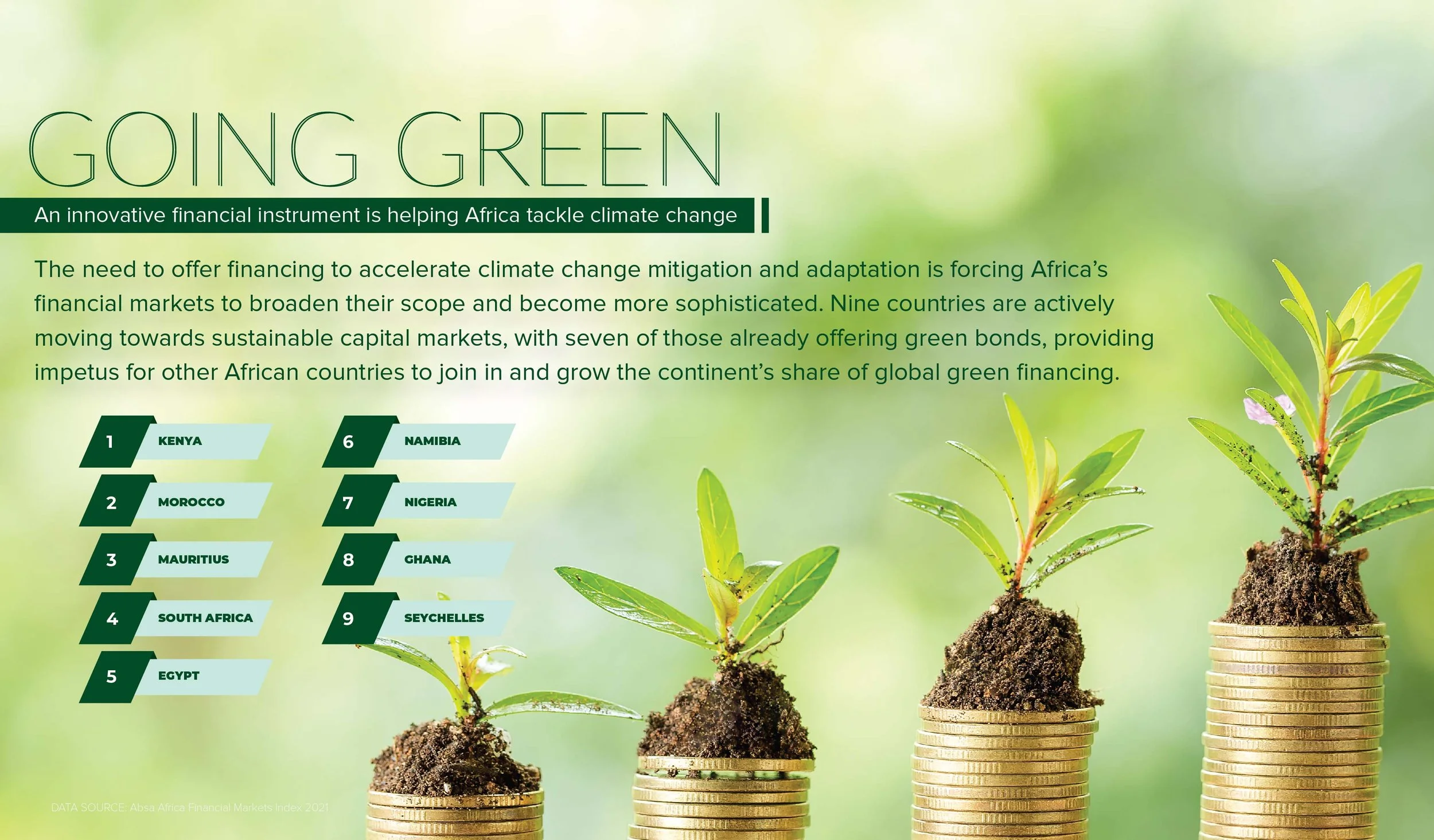
In Africa, sustainable finance not only aims to address climate change and resource depletion but also tackles issues like poverty, inequality, and economic inclusion. As the continent faces increasing environmental risks, African banks are realizing that sustainability is crucial for long-term economic stability.
2. African Banks Leading by Example: Key Initiatives
Several African banks are at the forefront of the sustainable finance movement, pioneering initiatives that are transforming the financial landscape. Here are some of the ways African banks are driving change:
Green Bonds and Climate Finance
A green bond is a type of debt instrument used to raise funds specifically for environmental projects such as renewable energy, waste management, and climate adaptation initiatives. African banks are increasingly issuing green bonds to finance projects that contribute to climate resilience and sustainable development.
For example, Standard Bank of South Africa has issued green bonds to support renewable energy projects across the continent. These bonds provide the bank with the capital needed to finance solar, wind, and hydropower projects, contributing to Africa’s growing clean energy sector.
In Kenya, Kenya Commercial Bank (KCB) is leading the way in providing climate finance for green projects, such as sustainable agriculture and clean energy initiatives. KCB has developed a green finance framework to ensure that its financing activities are aligned with international standards for environmental sustainability.
Sustainable Investment Funds
African banks are also establishing sustainable investment funds that focus on investments with both strong financial returns and positive environmental or social impacts. These funds are increasingly targeting renewable energy, sustainable agriculture, and infrastructure projects that address Africa’s development needs.
One example is Absa Group‘s Absa Green Fund, which aims to support initiatives that promote environmental sustainability. The fund focuses on financing projects that help reduce carbon emissions, enhance energy efficiency, and support the transition to a low-carbon economy.
Financing for Social Impact
Beyond environmental concerns, African banks are also committed to financing projects that have a positive social impact, such as education, healthcare, and affordable housing. For example, FirstRand Bank in South Africa has been involved in financing low-cost housing projects aimed at providing affordable homes for underserved populations.
Similarly, Ecobank has partnered with various development organizations to provide financial support for small-scale businesses, particularly women-owned enterprises, in sectors such as agriculture, manufacturing, and technology. These initiatives not only promote economic growth but also empower local communities, particularly in rural areas.
3. Challenges Facing Sustainable Finance in Africa
While African banks are making impressive strides in sustainable finance, there are several challenges that need to be addressed to fully unlock the potential of green finance across the continent.
Limited Access to Capital
One of the main challenges in sustainable finance is the limited access to capital for green and social projects. Many African countries face financial constraints, and without adequate funding, it becomes difficult to develop large-scale projects that address environmental or social issues. Banks are working to overcome this by partnering with international financial institutions, such as the World Bank and the European Investment Bank, to access global funding for sustainable development.
Lack of Regulatory Frameworks
A comprehensive regulatory framework for sustainable finance is still in its infancy in many African countries. While there are some policies in place to promote green finance, such as tax incentives for renewable energy projects, the regulatory environment remains inconsistent. To support the growth of sustainable finance, African countries need to develop clear regulations that incentivize investment in green projects and establish standards for ESG reporting.
Awareness and Education
There is a growing need for awareness and education around sustainable finance, particularly for local businesses and entrepreneurs. Many small businesses lack the knowledge and resources to access green finance or invest in sustainable projects. Financial institutions and governments need to focus on raising awareness about the benefits of sustainable finance and providing training to help businesses navigate the green finance landscape.
4. The Future of Sustainable Finance in Africa
The future of sustainable finance in Africa looks promising, as both financial institutions and governments recognize the importance of fostering long-term economic stability through responsible investment practices. As more African banks embrace sustainable finance, we can expect to see greater collaboration between the private sector, governments, and international development organizations to address Africa’s most pressing challenges.
Key areas for future development include:
- Strengthening the regulatory framework for green and sustainable finance to ensure transparency and standardization.
- Increasing investment in renewable energy and climate adaptation projects, especially in vulnerable regions such as East and West Africa.
- Expanding access to green finance for small and medium-sized enterprises (SMEs) and rural communities, ensuring that everyone benefits from sustainable development.
5. Conclusion
African banks are playing an increasingly vital role in driving sustainable finance and promoting a green economy on the continent. By integrating environmental, social, and governance (ESG) factors into their business models, these banks are not only contributing to Africa’s economic growth but also helping to tackle the environmental challenges facing the continent.
While challenges remain, the continued growth of sustainable finance in Africa presents exciting opportunities for investors, businesses, and communities alike. By fostering partnerships, strengthening regulations, and improving awareness, Africa can position itself as a global leader in sustainable finance, paving the way for a more inclusive, resilient, and environmentally conscious future.