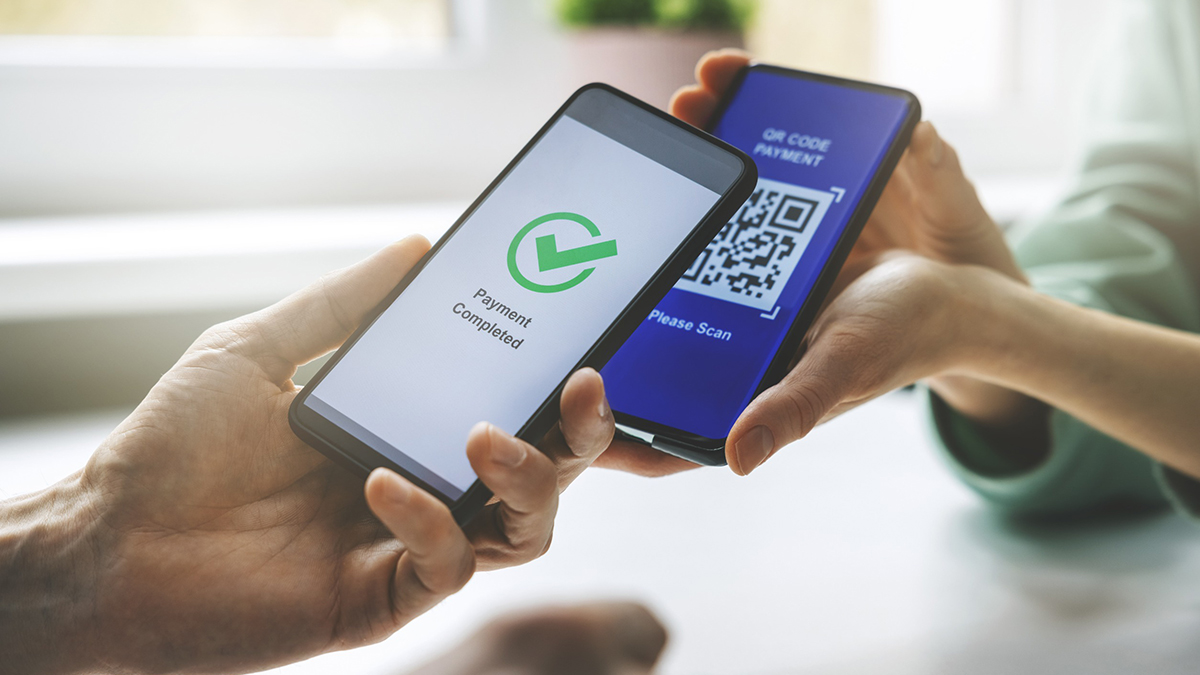
It is possible to send money without bank account access, whether you are paying for a service or helping a loved one. Many secure alternatives exist, ranging from mobile apps to prepaid cards. Below are some of the most reliable options, along with tips for safe transfers.
Digital Payment Platforms
Mobile apps make it simple to send money online. Services like PayPal, Venmo, Cash App, and Western Union allow recipients to receive funds without needing a bank account.
Recipients can sign up for the app and connect a prepaid debit card. This lets them access funds directly. Most apps also increase transfer limits when accounts are verified. For example, Venmo allows $299.99 weekly transactions for new users, but this rises to $60,000 after verification.
Digital Wallets
Digital wallets function like payment apps but offer added security through tokenization, which hides sensitive details. Popular wallets include Apple Pay and Google Wallet.
These wallets allow recipients to store funds and make purchases online or in stores without a physical card. However, compatibility may depend on the device. For instance, Apple Pay only works on Apple devices.
Prepaid Debit Cards and Gift Cards
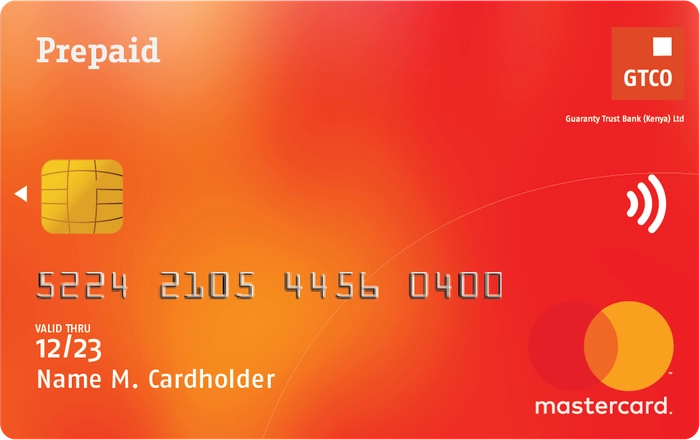
Prepaid debit cards are another option to send money without bank account access. According to a 2023 FDIC study, over 21% of unbanked households rely on them. They work like standard debit cards but don’t require checking accounts.
You can purchase prepaid cards at banks, retailers, or grocery stores and load them with cash. Be mindful of fees, which may include sign-up charges, reload costs, and monthly maintenance fees. Gift cards also work in a similar way but are limited to specific stores.
Money Transfer Services
Western Union remains one of the most recognized money transfer providers, with over 42,000 U.S. centers and 500,000 locations worldwide. You can send money online, via the app, or at a physical location.
Unverified users face a $3,000 transfer limit, while verified accounts can send up to $50,000. Fees vary based on payment method and destination.
Money Orders
When you want to avoid mailing cash, money orders are a safer choice. They are available at banks, post offices, and some retail stores. A typical money order has a $1,000 limit and costs under $5. Funds can be made payable to a specific person, ensuring better security.
Tips for Safe Transfers
Financial expert Marguerita Cheng advises comparing different options before deciding. Speed, cost, and safety should all be considered. Faster transfers may cost more, but security must remain the top priority.
If sending money abroad, confirm refund policies in case the recipient cannot collect the funds. Always ensure the name on the payment matches the recipient’s ID, since nicknames or errors can prevent collection.
READ: Understanding SWIFT, IBAN, and BIC: What They Mean and When to Use Them